PlaceCulture
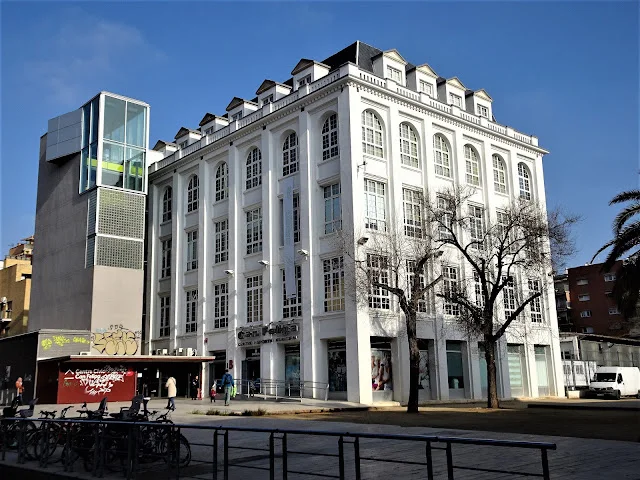
Centre Cívic Can Felipa
Exhibitions and performing arts sit alongside neighbourhood activity at this Poblenou civic centre.
The Barcelona edit
Recently added recommendations, not a claim that these venues just opened. Explore the latest additions to our address book and use their neighbourhoods and linked venues to build a fresh route.
Exhibitions and performing arts sit alongside neighbourhood activity at this Poblenou civic centre.
Lluís Homar joins Piano Duo Brugalla & Stambolov to connect Dostoevsky’s text with Bach and Messiaen. Spoken theatre and live piano examine the tension between individual freedom and authority.
Dance groups compete in front of the cathedral to music by Cobla La Principal del Llobregat. The programme also announces a participatory sardana after the competition, opening the tradition to the crowd.
Courses, exhibitions and performances give this Sant Gervasi civic centre reasons to visit beyond a single event.
Six themes introduce the ideas of architect and landscape designer Nicolau Maria Rubió i Tudurí. The free exhibition links Barcelona’s gardens and public spaces to present-day questions about climate and city life.
The Swiss band bring their mix of rockabilly, surf, blues and punk to Razzmatazz 3. Choose this smaller-room concert for a guitar-driven night within the larger venue complex.
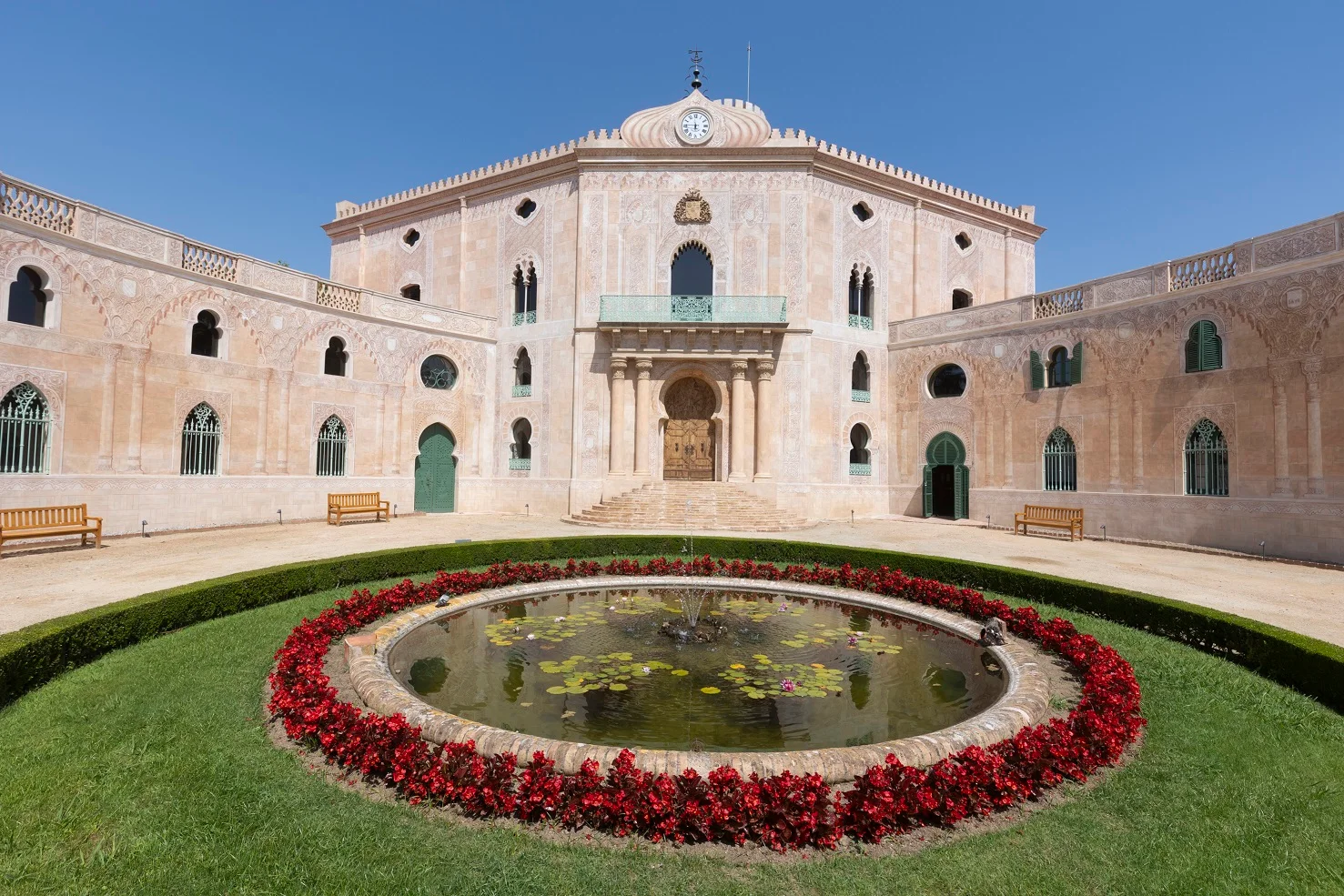
The Horta park also contains the Palau del Marquès d’Alfarràs, which hosts exhibitions and scheduled visits.
Young theatre-makers try to revive a 1979 Teatre Lliure production in Miquel Mas Fiol’s Catalan-language play. Collective ambition meets nostalgia in a story about making work together.
Seasonal food, workshops, talks and music take over Passeig dels Til·lers for La Mercè. Entry and food purchases are different: the programme lists small dishes and drinks with their own prices.
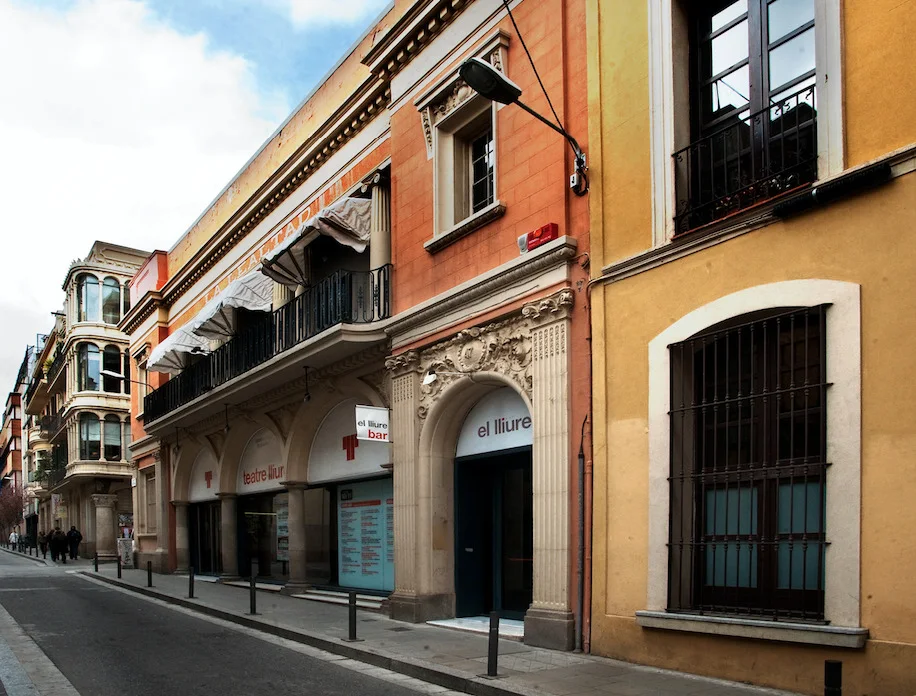
Teatre Lliure’s Gràcia stage is on Carrer de Montseny, separate from its Montjuïc home.
Laura Marchal brings a voice rooted in flamenco to the close setting of Jamboree 3. Her music also draws on Andalusian song and other influences, with two separately timed evening performances.
Film fragments, working notebooks and archival material trace Godard’s ways of thinking through images. La Virreina’s exhibition rewards a slower visit, allowing time for the audiovisual works as well as the documents.
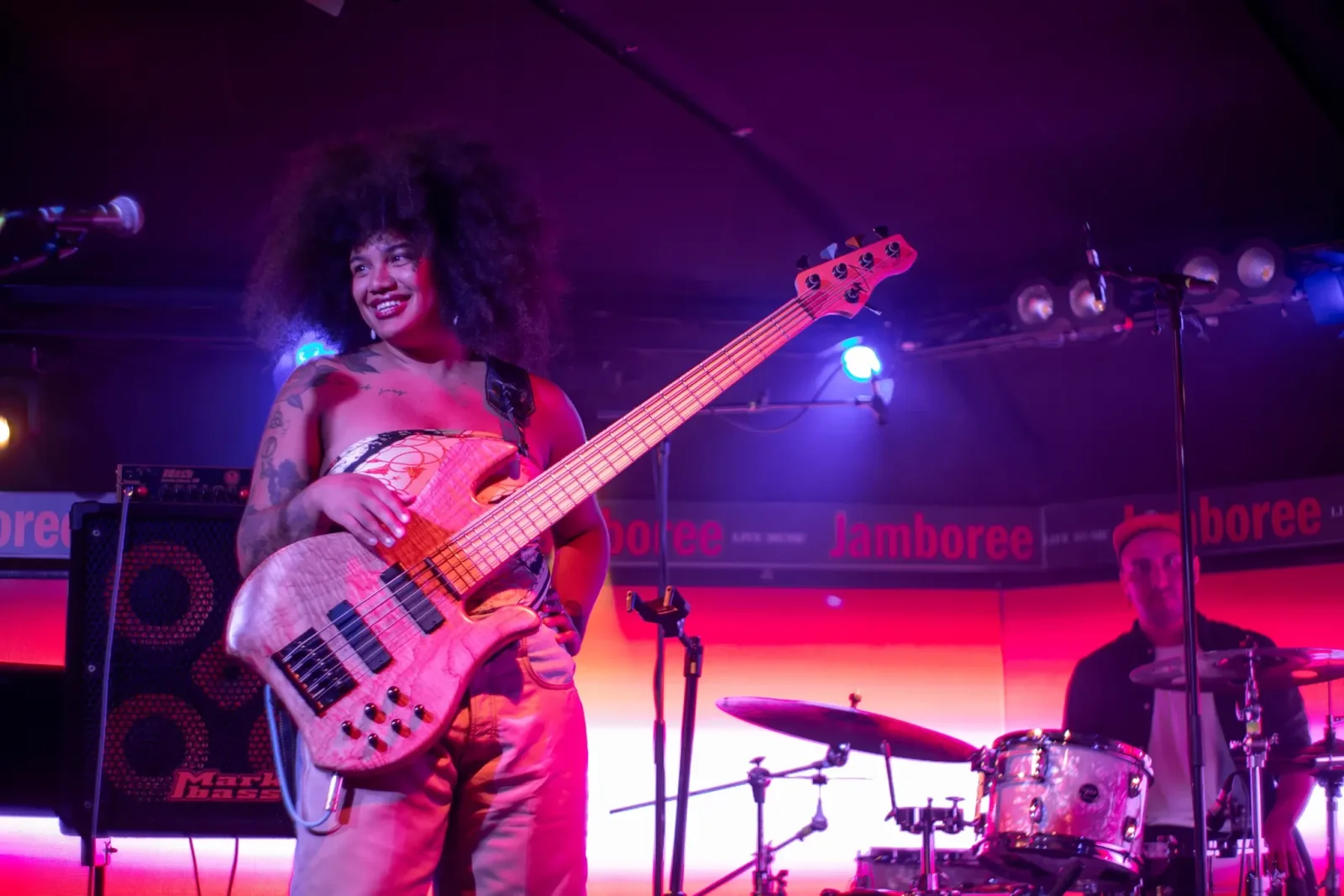
Live music brings listeners beneath Plaça Reial, with several rooms and sets using the Jamboree name.
Historic photographs reveal the sports facilities that helped shape Barcelona’s identity. The Olympic Museum exhibition looks beyond famous competitions to the spaces where the city’s sporting life developed.
Leire Martínez presents her solo chapter on the outdoor Maria Cristina stage. The performance forms part of La Mercè’s music programme, making it an option for a festival evening without a club booking.
La Zaranda explores life at society’s margins through Eusebio Calonge’s writing and Paco de La Zaranda’s direction. Dark humour and poetry shape a production that seeks out voices often left unheard.
The Institut Confuci invites families to discover Chinese language and traditions through games and workshops. The activities take place in Parc de l’Estació del Nord during the city’s festival.
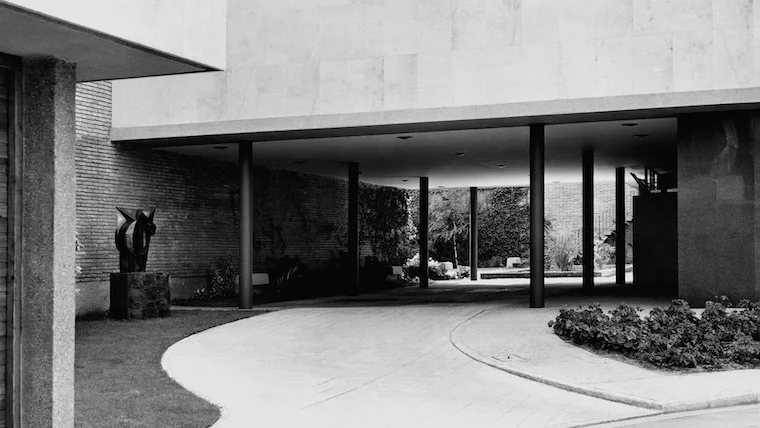
The former Gustavo Gili publishing headquarters now brings Barcelona’s architecture programme into a rationalist building.
Diego Arjona brings personal stand-up and audience interaction to Teatre Muntaner. The organiser recommends this late-night show for adults; improvisation means the audience helps shape the performance.
Morodo returns to Barcelona with Okoumé Lions for a reggae-led evening at Apolo. The announced bill also includes a showcase by Jah Nattoh & Unity Sound, giving the night a broader musical arc.
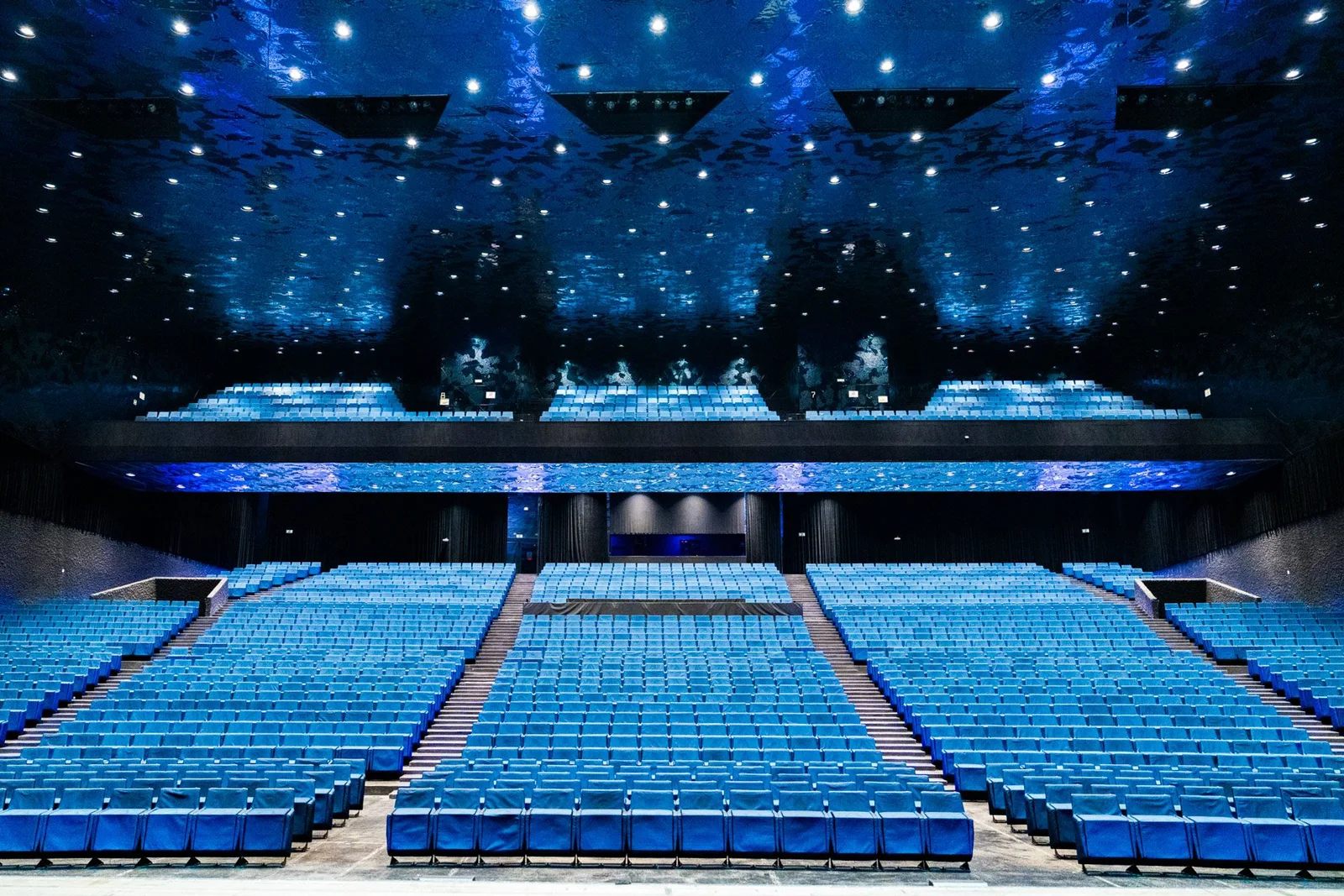
Concerts and large presentations use this auditorium within Barcelona’s convention complex.
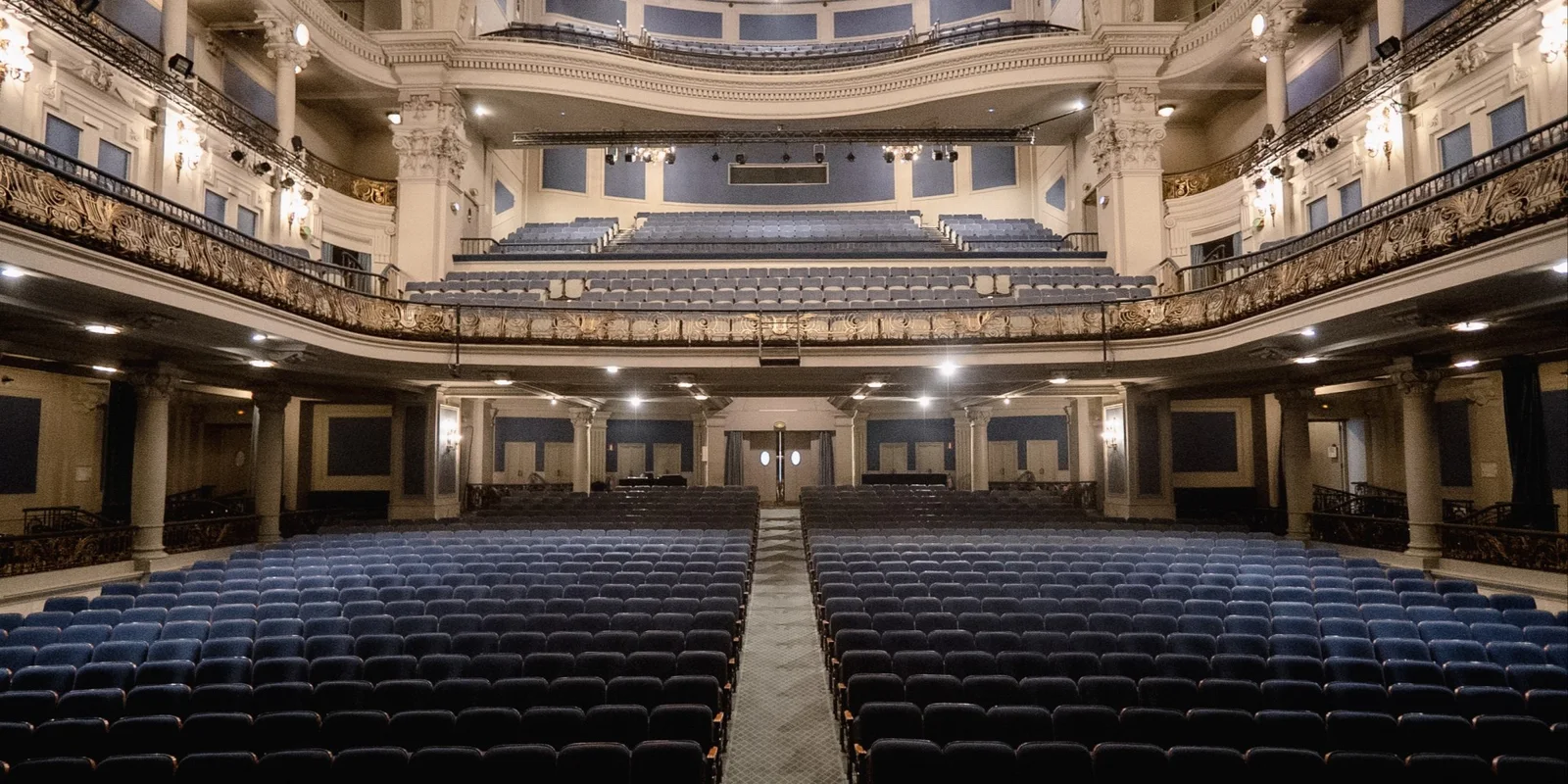
Djavan revisits five decades of songwriting on his European anniversary tour. The Coliseum date places a Brazilian repertoire of well-known songs at the centre of an autumn theatre evening.
Works from the Fundació La Caixa collection explore how contemporary artists revisit earlier images, myths and forms. The exhibition treats quotation and reinterpretation as ways to think about the present.