On the house
EventCulture
Marco de Ana: Poder de protesta
A participatory flamenco performance brings movement and protest to La Mercè.
The Barcelona edit
Choose a museum, linger over tapas and see where the evening takes you. The best part might be the walk between them. The weekend runs from Friday evening through Sunday. Find dated events first, then places to visit, tables to book and rooms to explore after dark.
A participatory flamenco performance brings movement and protest to La Mercè.
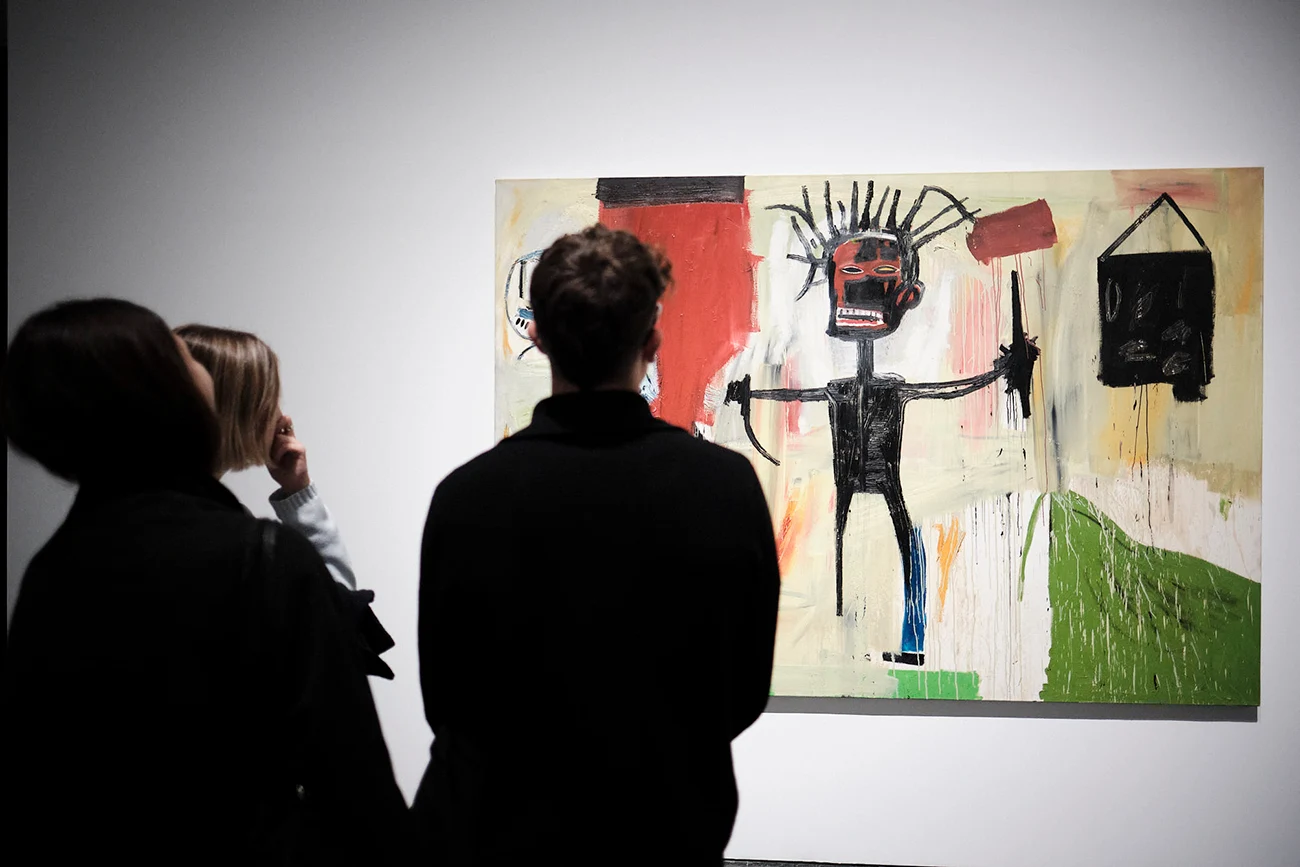
An afternoon for questioning what we call beautiful. Take the exhibition’s questions out into the Raval afterwards.
The final week of MACBA’s collection presentation. Choose a few works to stay with, rather than racing to see the lot.
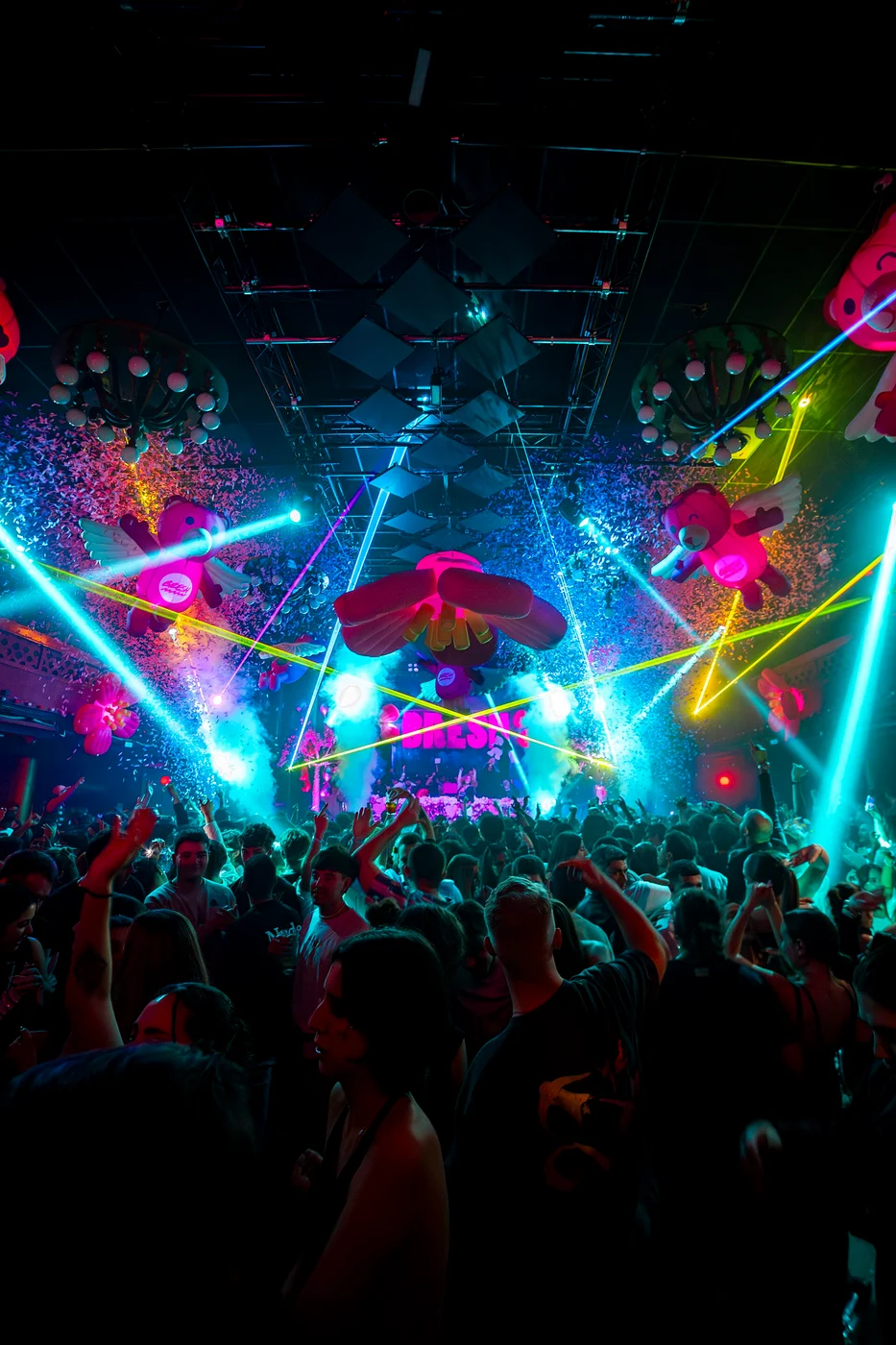
A Friday-night plan with Saturday on the clock. Dinner first, then Apolo for a programme led by Villano Antillano.
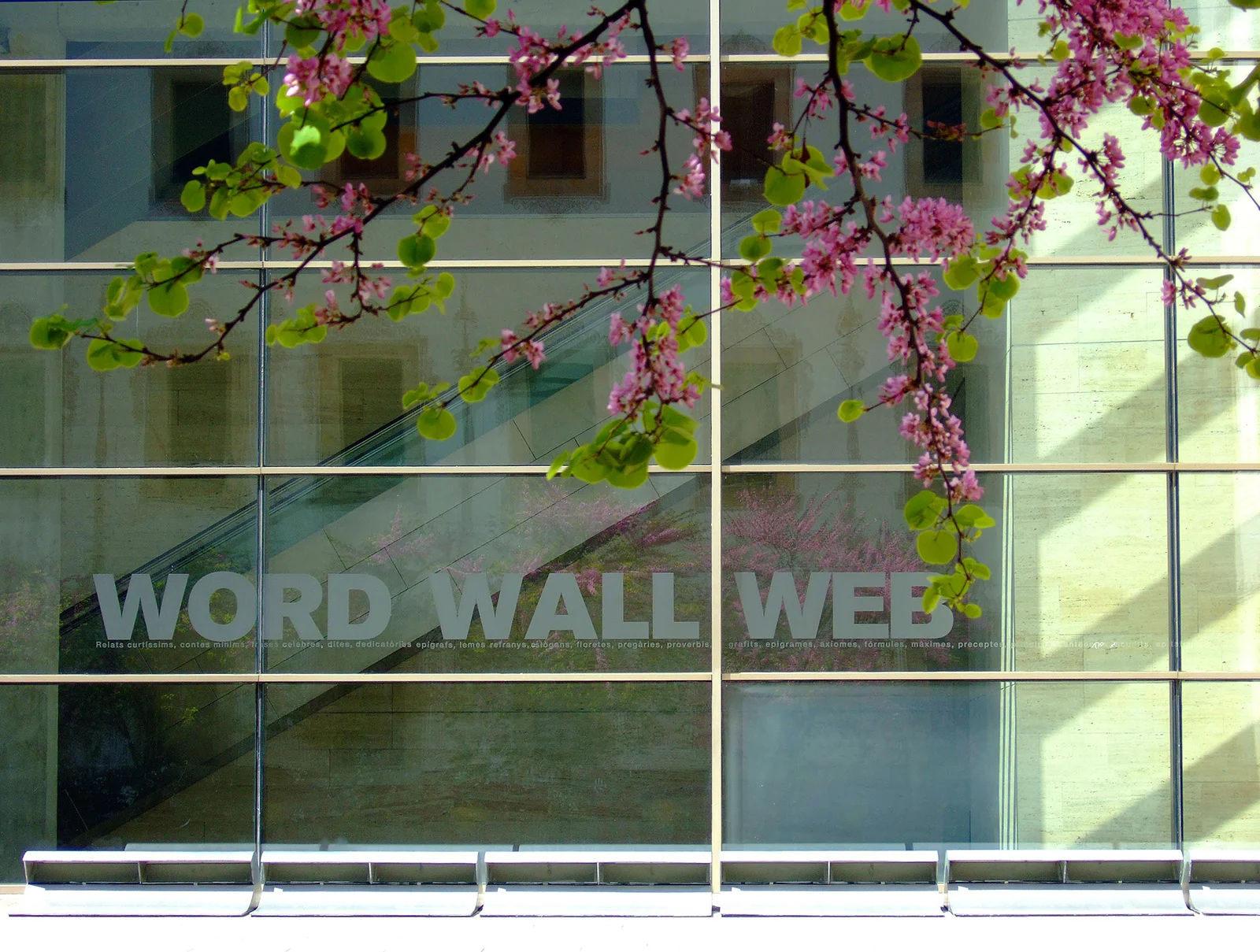
Give Sunday a second chapter. Book an exhibition after lunch and stay with an idea a little longer.
Lolita Flores gives Lorca’s servant a voice of her own in Luis Luque’s solo production. A Spanish-language evening built around the grief and silences of Bernarda Alba’s household.
A grown-up Pinocchio becomes a puppet maker and retells his adventures with the Cricket. La Puntual’s Catalan-language family production is recommended from age three and gives the familiar story a workshop setting.
ABBA’s songs drive a wedding story in which Sophie invites three possible fathers to a Greek island. The Tívoli production offers a full musical evening, with several performances and special-date schedule changes.
Manu Llari brings an audience-participation magic show to Teatreneu’s smaller café theatre. Illusion and humour share the stage, making this a close-up alternative to a large theatrical production.
A bookseller and his apprentice must protect a shop full of stories from destruction. Peixospeixeres turns the defence of reading into a family adventure, recommended for children aged three and above.
The Argentine trap artist takes his De vuelta solo tour to Razzmatazz. It is a compact Sunday-night concert option for listeners following the younger Latin American urban-music scene.
Two very different sisters enter a pirate adventure and need the audience’s help. This Catalan-language production offers a participatory family outing, with a recommended starting age of three.
Audience suggestions become the raw material for an evening of improvised comedy. The performers build characters and situations in real time, so returning visitors will encounter a different show.
Sala Ars condenses Lorca’s drama into a one-hour adaptation. Repression and the desire for freedom define the household, making this an intimate alternative to a large-stage classical production.
José Sacristán revisits Fernando Fernán-Gómez’s memories in a solo tribute at the Romea. Theatre history becomes personal through stories of family, survival and the desire to find a place onstage.
A couple pretend to separate to escape holiday plans with another family. Their small deception opens up much larger tensions in a comedy about friendship, parenting and social obligation.
Three siblings meet to decide how to care for their elderly father, and old resentments resurface. Cesc Gay’s family comedy makes an apparently practical conversation the trigger for a much larger reckoning.
Marta Pazos directs Brecht and Weill’s sharp musical portrait of power and money, with musical direction by Dani Espasa. The Catalan production offers Spanish and English surtitles on selected Saturdays.
Join the farewell procession as Barcelona’s City Giants return from Sant Jaume to the Palau de la Virreina. This moving street event closes part of the traditional festival programme.
Palau Robert looks back over two decades of mobile technology and its social consequences. Projects in health, mobility and agriculture make the subject tangible, while the exhibition also invites questions about the future.
French pyrotechnic company Fwf Concept opens the two-night International Fireworks Festival. Head towards the Espigó del Gas area for an outdoor display that makes the waterfront part of La Mercè.
Four exhibitions from the 1950s provide new ways into Tàpies’s work. The museum connects his changing methods to architecture, publishing and urban life, making context as important as individual objects.
The Clavé Choirs join Banda Suburband de Sitges for a concert linking Catalan choral heritage with new band arrangements. Sant Jaume becomes an open-air setting for a shared musical tradition.

![Original editorial programme artwork for [In]visible Technology. This is not the organiser’s official poster.](/images/catalogue-expansion-2026-09-24/barcelona-programme-in-visible-technology-e3a2ed.webp)