Free entry
PlaceActivities
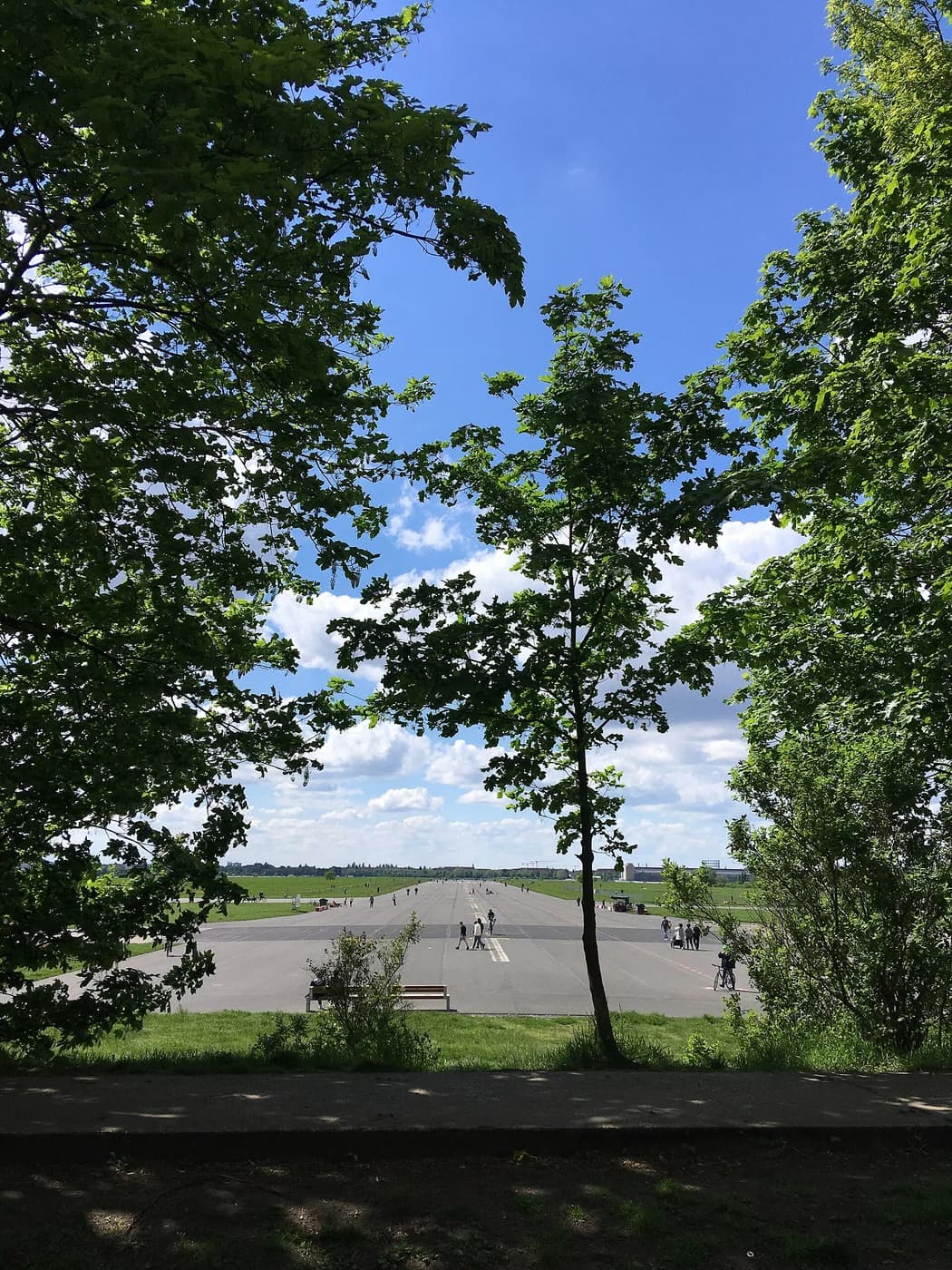
Tempelhofer Feld
More sky than agenda. Former runways, wide grass and a Berlin afternoon that leaves room to do very little.
The Berlin edit
Open-air places and specific free museum sessions. Food and special events can cost extra.
More sky than agenda. Former runways, wide grass and a Berlin afternoon that leaves room to do very little.
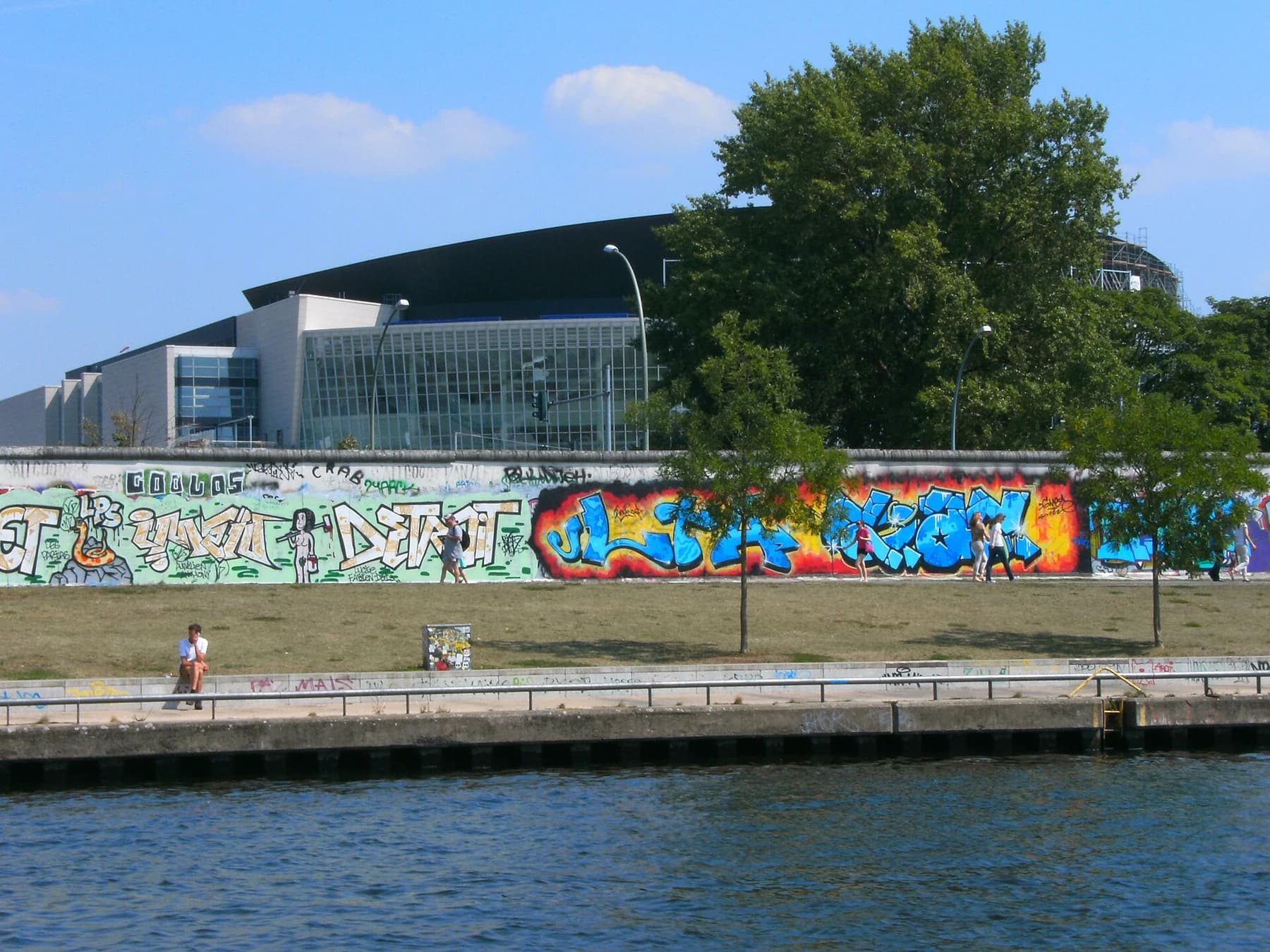
A walk where painting and Berlin’s divided history share the same wall. Slow down between the images, then find the river.
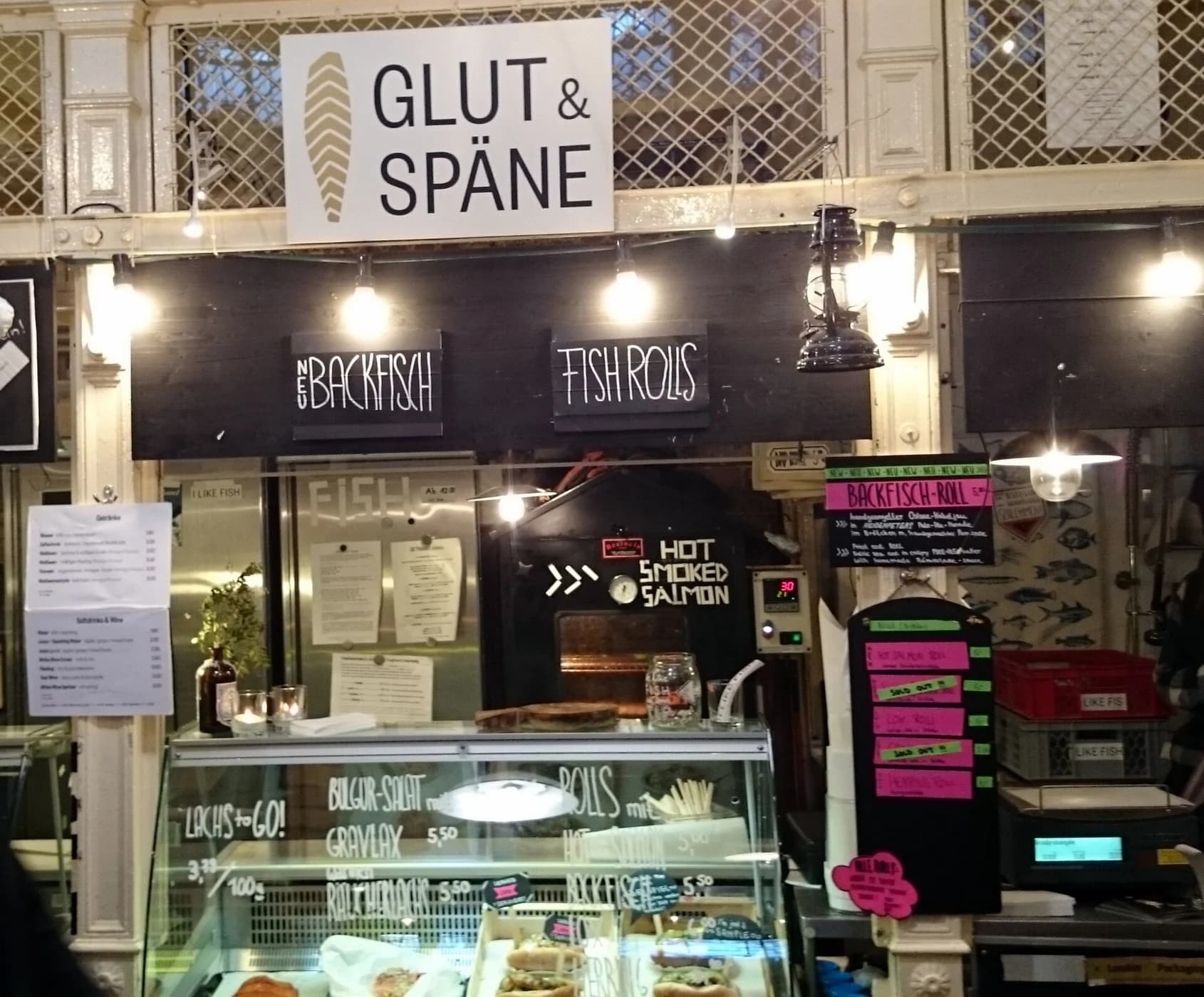
Bread, produce and a reason to arrive hungry in Kreuzberg. Look at the counters before deciding what lunch should be.
Browse the flea market before a walk through Prenzlauer Berg, with no need to turn the day into a checklist.
Three autumn evenings to put art before dinner. The museum’s first-Thursday programme opens the doors without an admission charge.
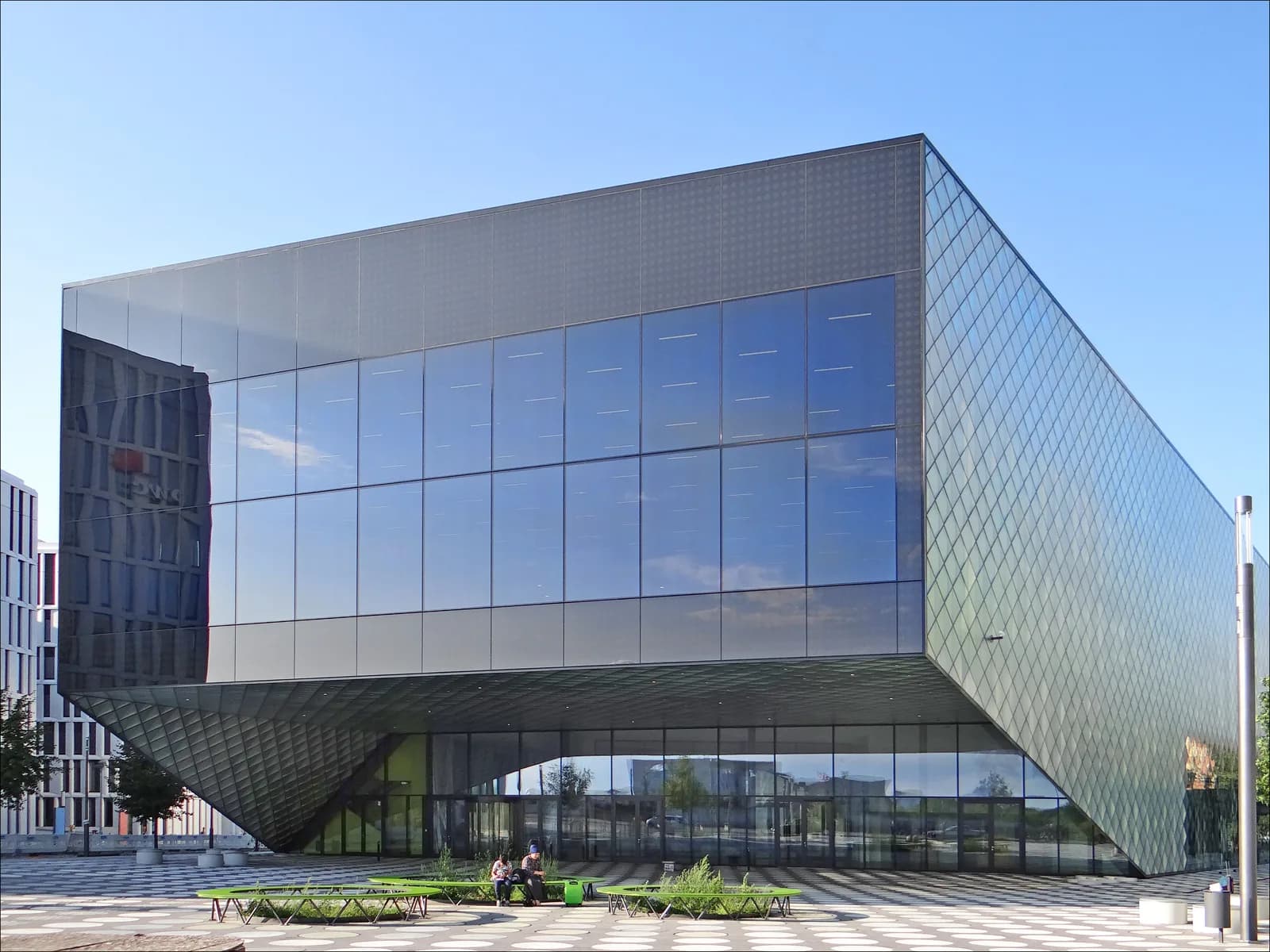
A free museum stop for imagining how we might live. Come with questions about cities, technology or nature and leave room to disagree.
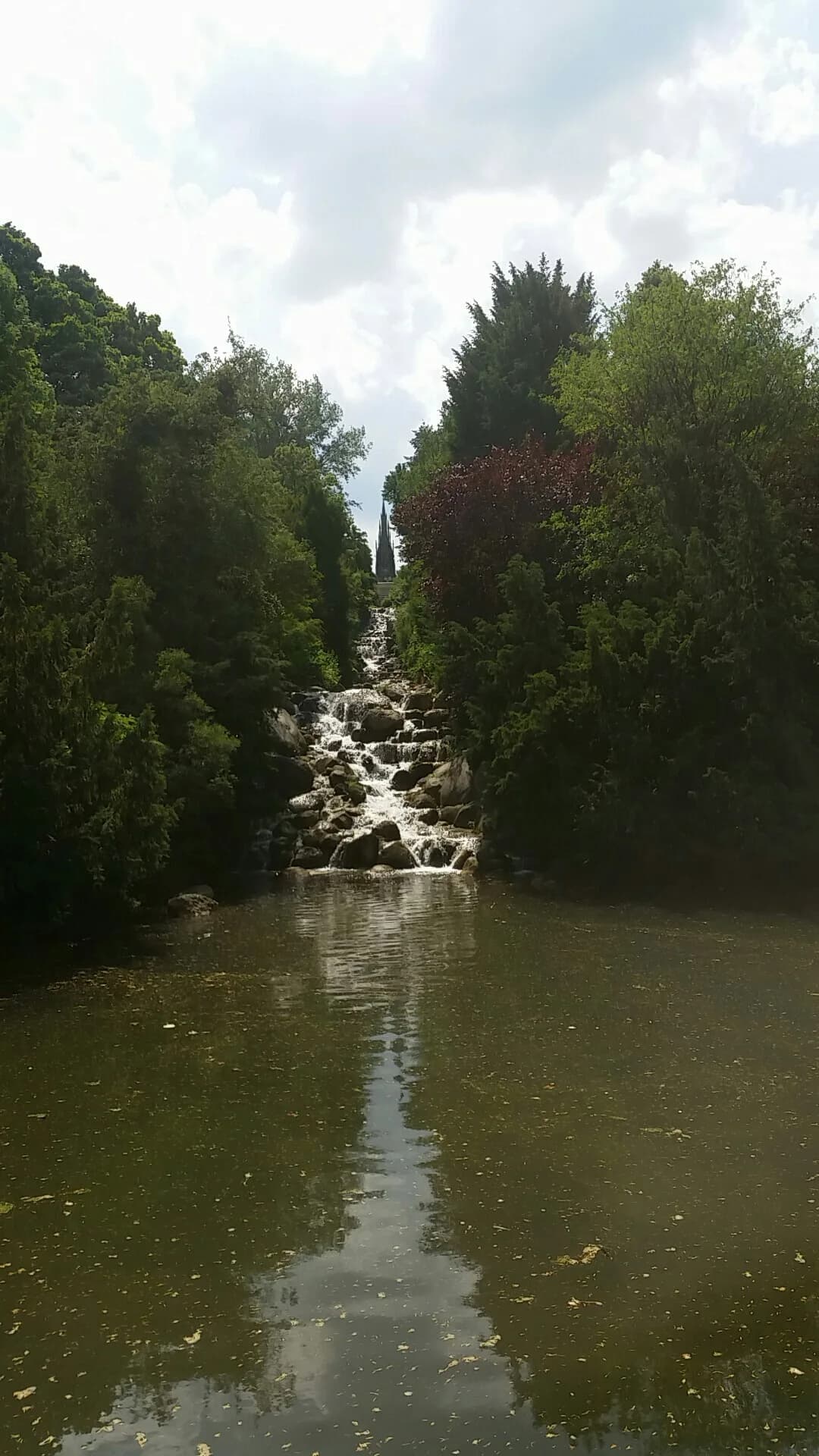
A short uphill walk gives Kreuzberg a different perspective. Bring time to sit above the neighbourhood rather than just collect the view.
The Allied presence in Berlin becomes the focus of a museum visit in Dahlem.
The female body is the subject, with women’s own perspectives shaping the view. Look for the differences between depicting a body and speaking through it.
Photography becomes a way to question who constructs public memory. This exhibition makes space for contested histories rather than treating remembrance as settled ground.
Contemporary art takes a social and political angle inside Bethanien. The municipal gallery’s group exhibitions make this a useful free stop around Mariannenplatz.
Tom Lehn’s landscapes occupy the foyer of Kulturhaus Karlshorst. It is a manageable art stop to combine with another reason to visit the neighbourhood.
Local history is the subject at the Prenzlauer Allee branch of Museum Pankow. The museum shares the Sebastian Haffner cultural and education complex with a library and adult education facilities.
Iris Ulbricht works with graphic media including charcoal, graphite and ink. Her images move between recognisable subjects and unsettling imagined situations.
Street art and public space meet in an exhibition about how artists address the city. Look for the relationship between a work’s message and the urban setting it imagines.
Amer Al Akel, Pfelder and Simone Zaugg approach contested monuments through contemporary art. Their interventions move beyond simply displaying historical objects to question how remembrance is experienced.
Live jazz brings a different sound to the Musical Instrument Museum. The series pairs an evening performance with a venue devoted to the tools and history of music-making.
The Philharmonie’s lunchtime series offers a short musical break in the middle of the day. Admission is free, but check the official visitor arrangements and capacity before travelling.
Students bring live music into the Musical Instrument Museum’s afternoon programme. The series provides a way to combine a performance with an interest in instruments and their histories.
Michael Wesely layers historical views of Prenzlauer Berg with present-day photographs. The overlaps make urban change visible within a single image rather than through a simple before-and-after pair.
The open printing workshop at Kurt Mühlenhaupt Museum makes printmaking a hands-on activity. It is a useful choice for a visit organised around doing something rather than only looking.
Futurium’s workshop connects product ideas with three-dimensional design and printing. Check the participation requirements and available places before arriving.
Bring an old garment or textile to repair, alter or turn into something new. The Humboldt Forum’s shared sewing workshop links practical reuse with conversation and ideas from the exhibitions.