
EventExhibitions
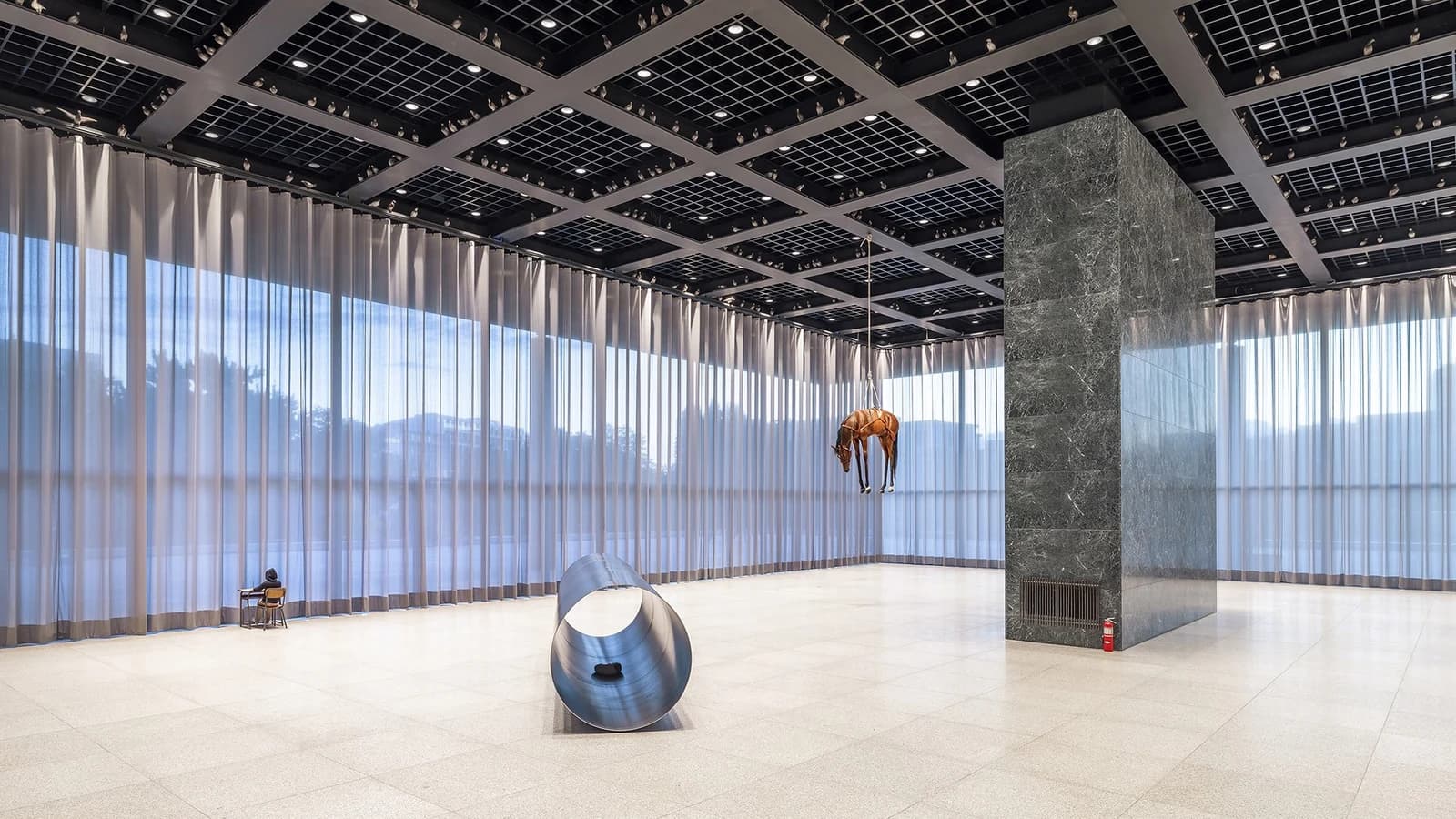
Maurizio Cattelan: NIGHT
Cattelan meets the glass hall of the Neue Nationalgalerie. A major exhibition that gives the building itself a role in the encounter.
The Berlin edit
A long exhibition visit, food in Kreuzberg and a room chosen for the music. Keep tomorrow morning free. The weekend runs from Friday evening through Sunday. Find dated events first, then places to visit, tables to book and rooms to explore after dark.
Cattelan meets the glass hall of the Neue Nationalgalerie. A major exhibition that gives the building itself a role in the encounter.
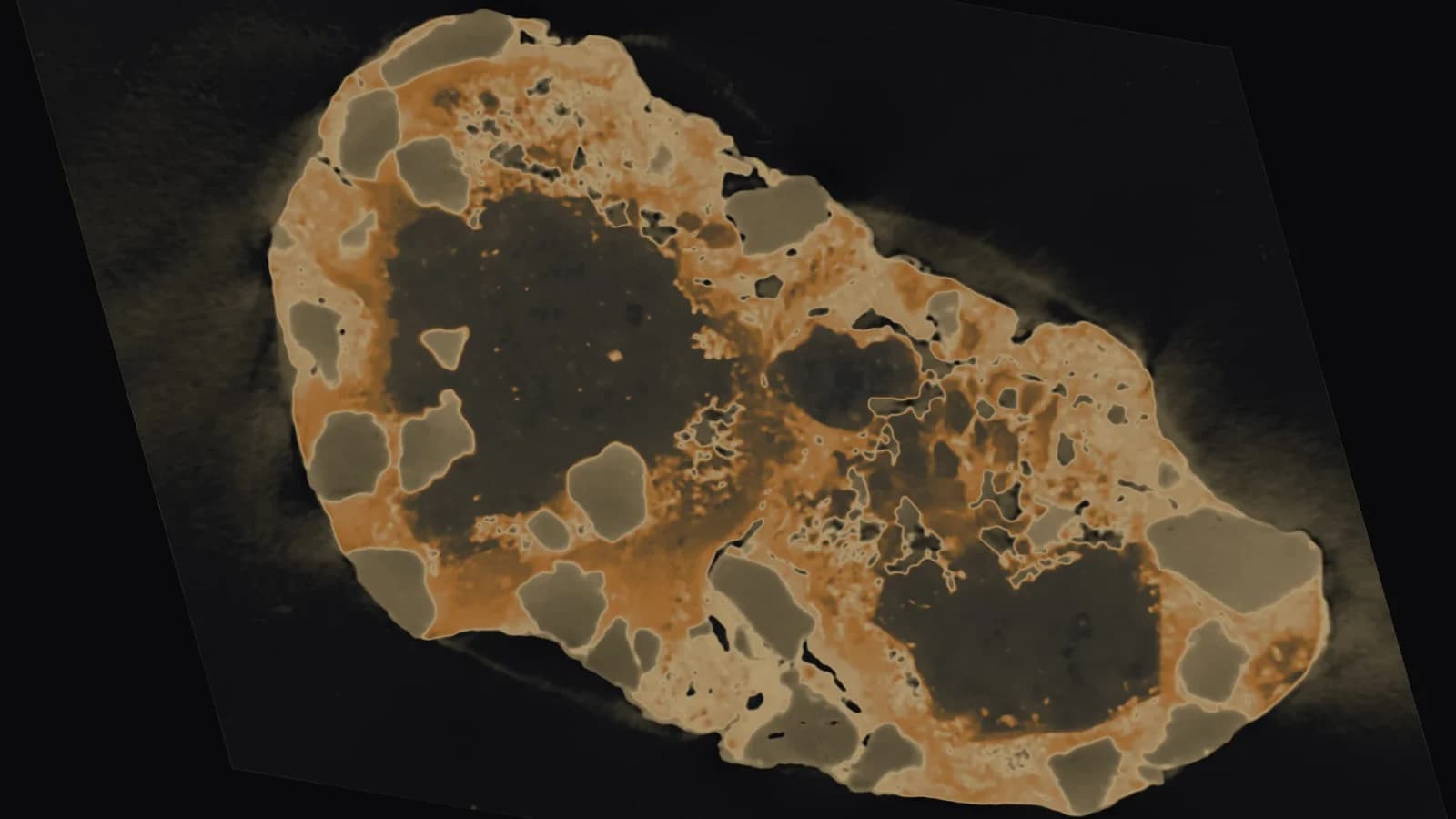
Sand becomes a way of thinking about time and what remains. Jeewi Lee’s GASAG Art Prize exhibition is an invitation to look more closely.
Browse the flea market before a walk through Prenzlauer Berg, with no need to turn the day into a checklist.
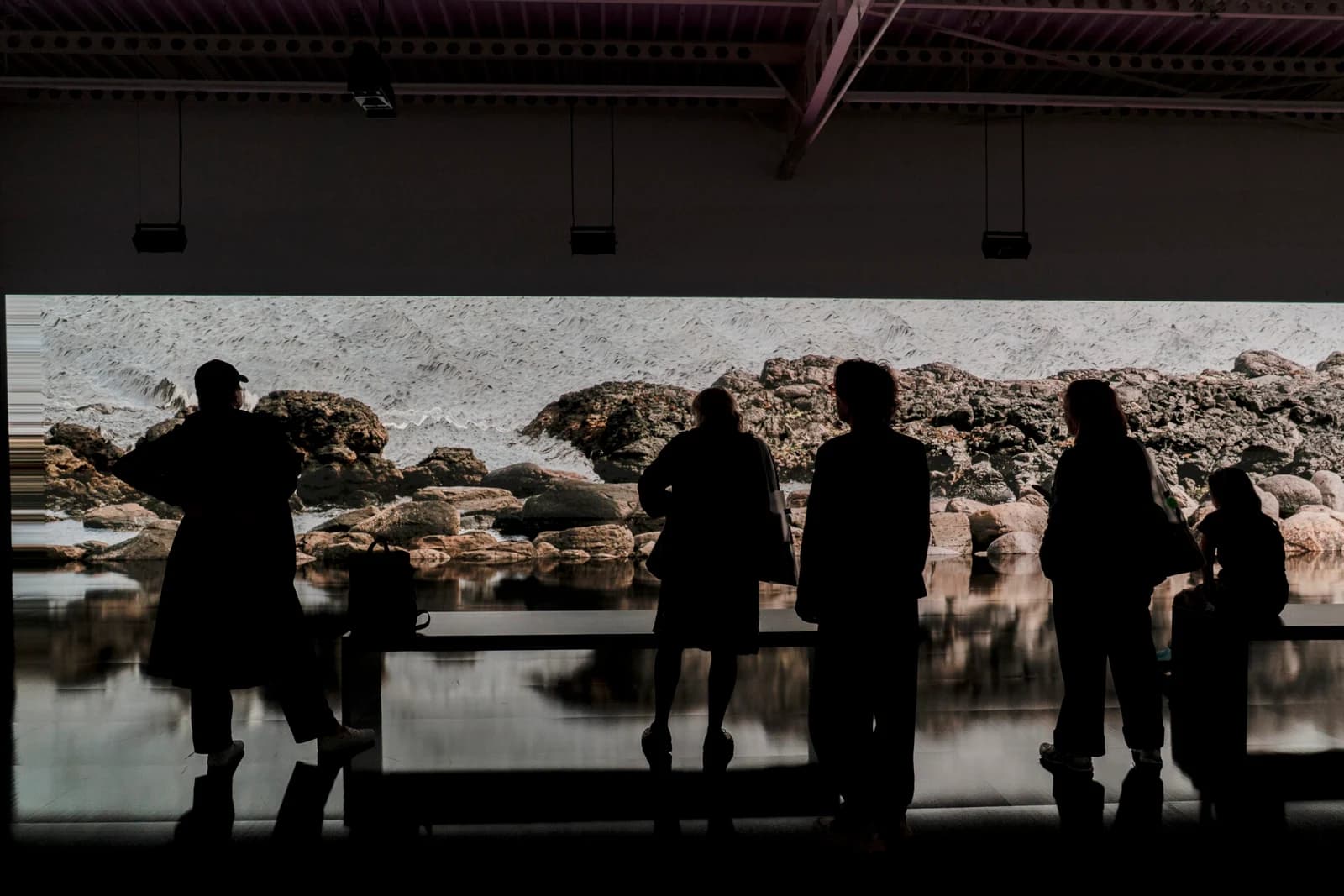
An exhibition to leave room for listening. Sakamoto’s work gives a Hamburger Bahnhof visit a different sense of time.
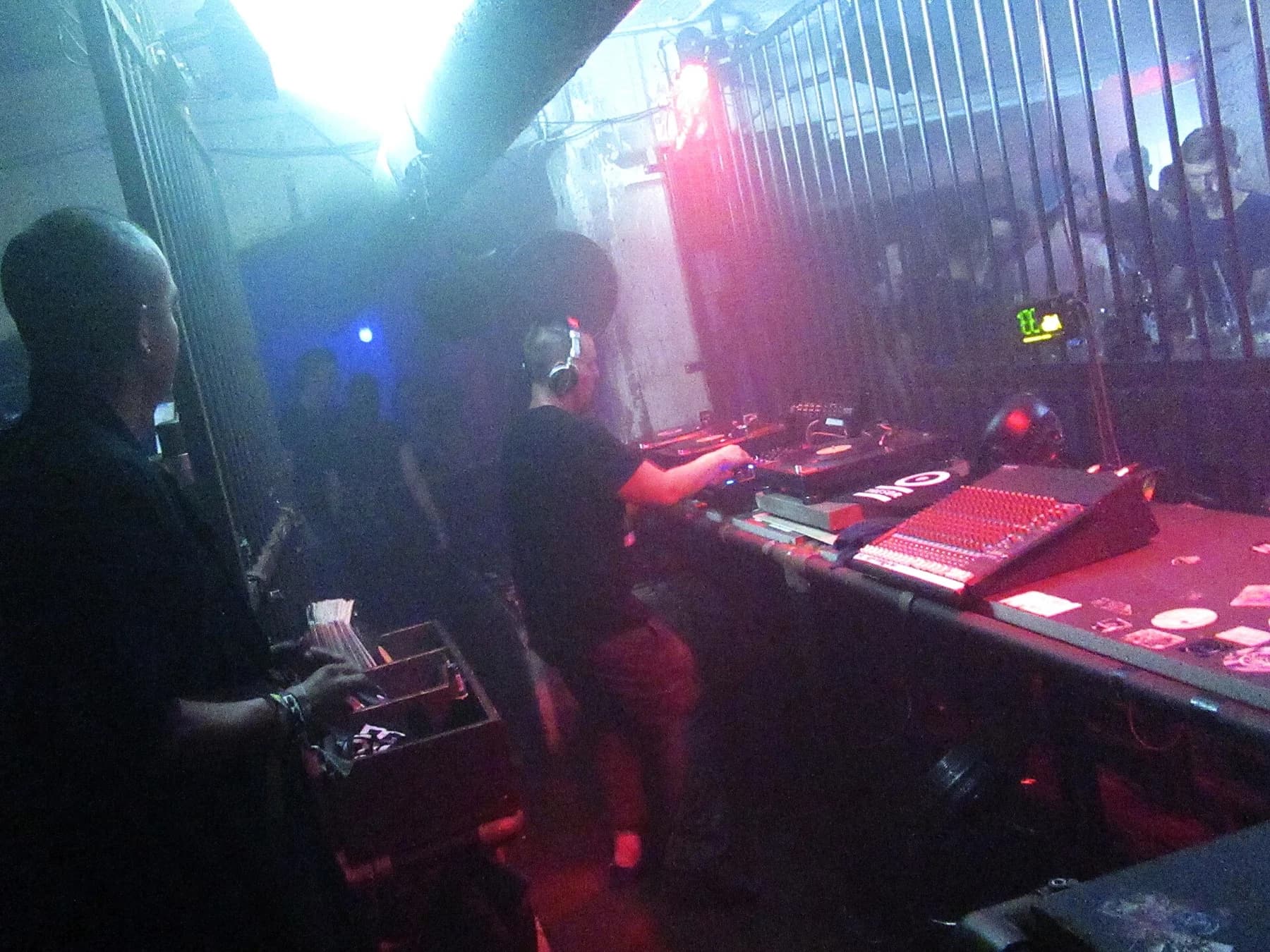
Neel, Psyk, CONCEPTUAL and Toxido Mask in Tresor, with a separate Globus lineup. A Friday plan that runs into Saturday morning.
The female body is the subject, with women’s own perspectives shaping the view. Look for the differences between depicting a body and speaking through it.
Photography becomes a way to question who constructs public memory. This exhibition makes space for contested histories rather than treating remembrance as settled ground.
Paul Cassirer helped bring Impressionism into Berlin’s cultural life. The exhibition follows the dealer’s influence through artworks and the relationships that brought them to an audience.
Tom Lehn’s landscapes occupy the foyer of Kulturhaus Karlshorst. It is a manageable art stop to combine with another reason to visit the neighbourhood.
Eight women sculptors associated with Leipzig bring questions of material and care into the museum. Compare the physical properties of the works with the kinds of attention they demand.
Paper takes centre stage as an artistic material. The anniversary exhibition includes the 2026 Paper Art Award winners Dirk Krecker, Hideaki Yamanobe and Inka Bell.
Berlin’s street names reveal how public memory changes with political power. This district-museum exhibition uses renaming as a starting point for looking again at familiar addresses.
Hermione von Preuschen’s Mors Imperator provoked controversy in 1887. The exhibition returns to the painting and the circumstances that made its reception so charged.
Veronika Witte brings her exhibition Nothingness Is Full of Bodies to Spandau’s Gotisches Haus. Pair the contemporary work with time to look at the historic building around it.
Language and knowledge provide two routes into the question of kinship. The display asks how relationships are maintained and understood across different cultural settings.
Conservation decisions shape what a museum visitor gets to see. This presentation brings those choices into view and asks whose knowledge should guide the care of objects.
The work of Flamingo e.V. connects women’s solidarity with the story of a mulberry tree. It forms part of BERLIN GLOBAL’s space for voices from the city.
Chinese silk paintings offer a close look at the relationship between family life and religious practice. Buddhist and Manichaean traditions are among the subjects represented.
Reinhard Lakomy’s Der Traumzauberbaum becomes a dome-screen experience. This is a planetarium presentation based on the music, with projected imagery around the audience.
Eleven young people from Neukölln imagine what they would change if power were in their hands. Their proposals shift the museum’s attention towards the priorities of a younger generation.
Melanie Ender’s almost in between is presented at Kunsthaus Dahlem. Give the works space to register before continuing through the building and its grounds.
The Brücke artists’ relationship with nature provides the exhibition’s organising thread. Look at how the landscape functions as both a setting and a subject in its own right.
Fujiko Nakaya brings a changing fog sculpture into the Neue Nationalgalerie’s garden. Outdoor conditions are part of the experience, so the work may look different from one visit to the next.
An album assembled for collector Gert Elfering offers a particular route into Helmut Newton’s photography. The selection is the point of interest: an individual grouping rather than a general career survey.



![Original editorial programme artwork for [ materialistin ]. Matter of Care, Care of Matter. This is not the organiser’s official poster.](/_next/image/?url=%2Fimages%2Fcatalogue-expansion-2026-09-24%2Fberlin-programme-materialistin-matter-of-care-care-of-matter-f5a022.webp&w=3840&q=75)


