PlaceOutdoors
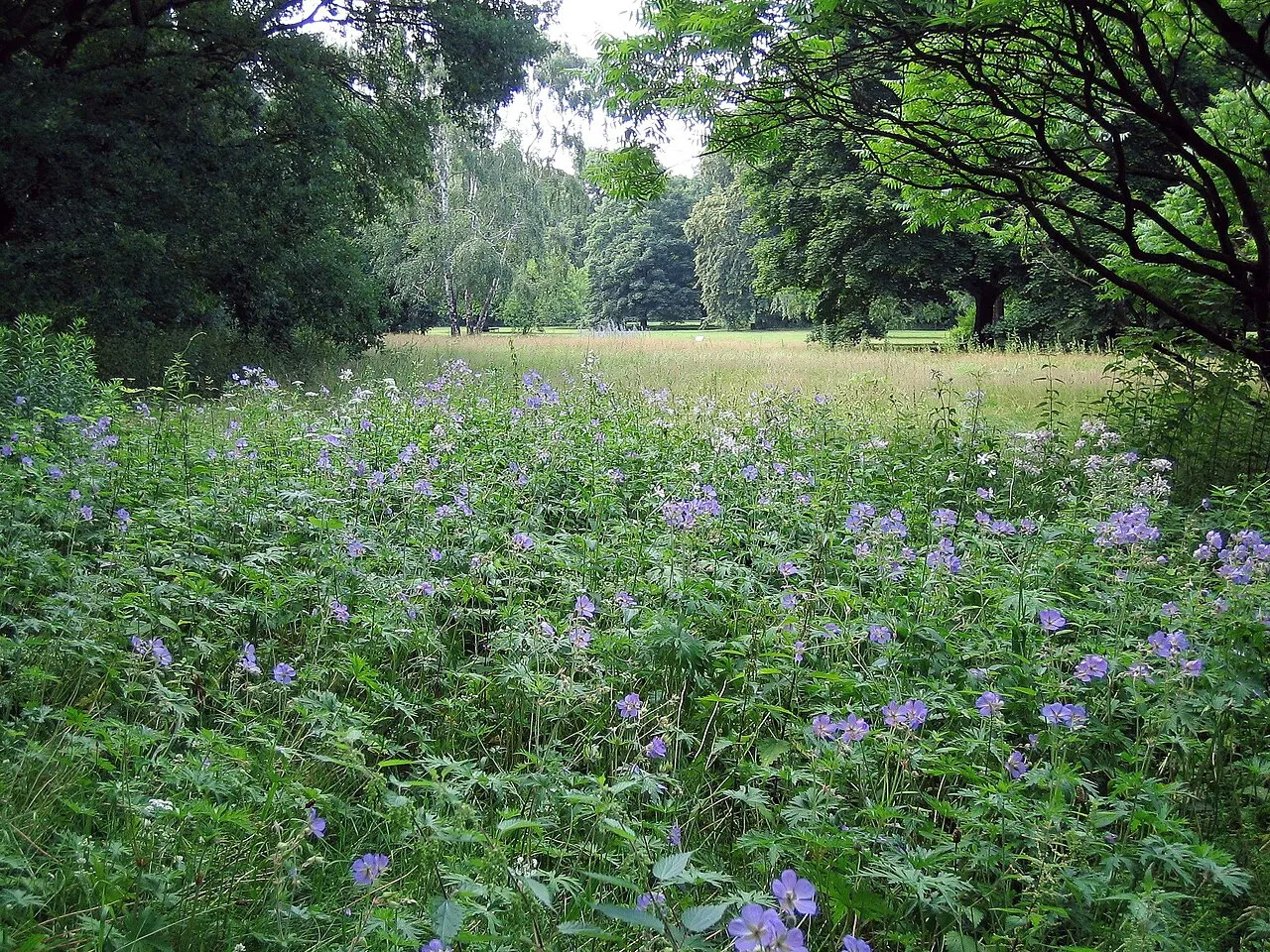
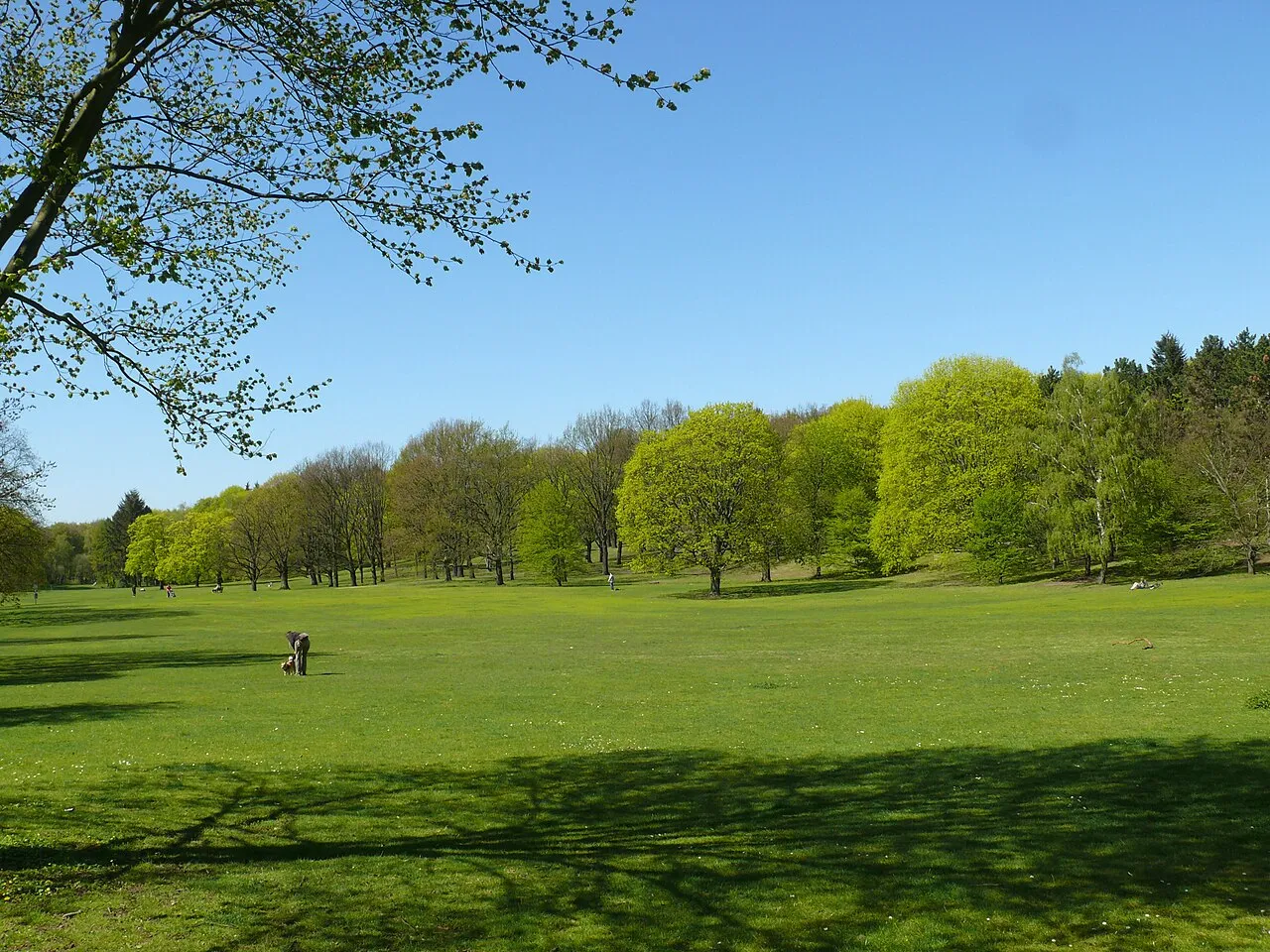
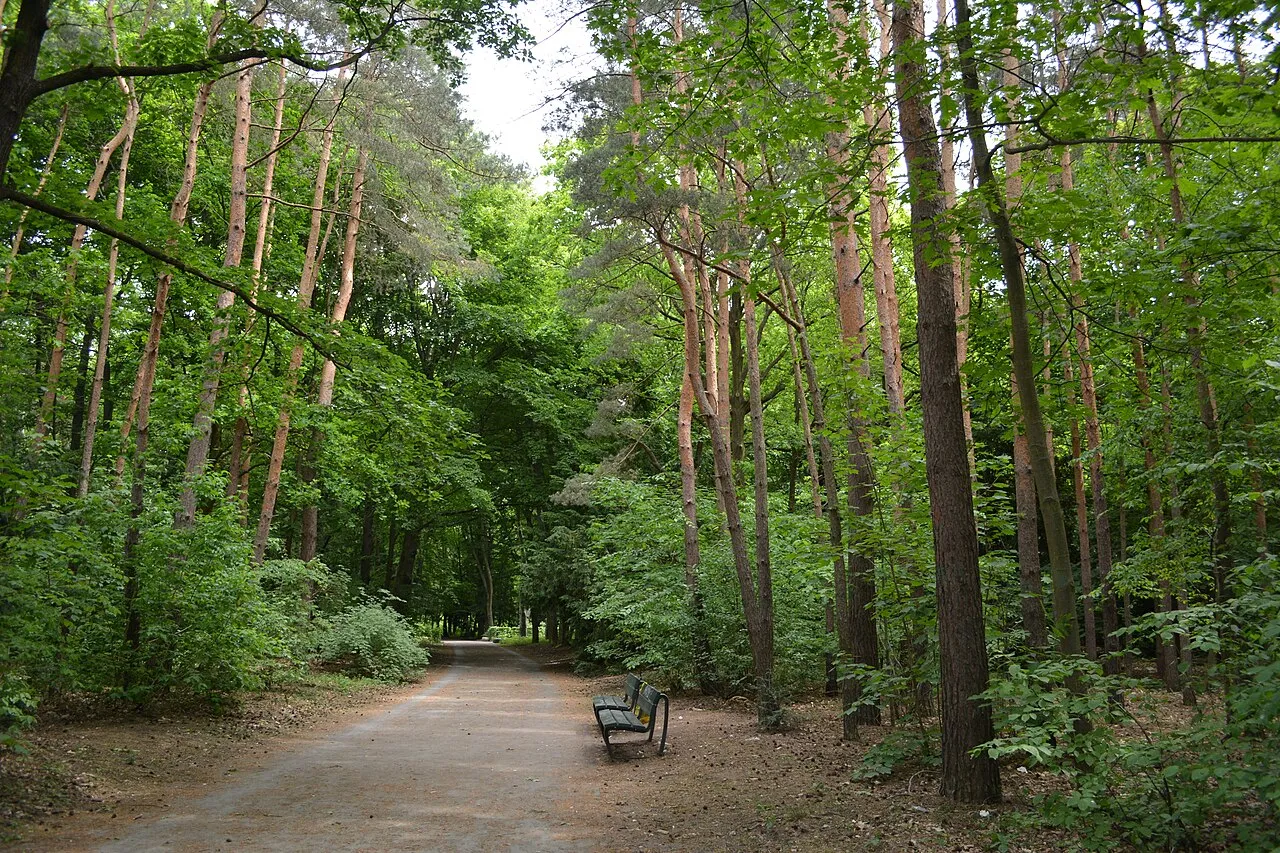
Großer Tiergarten
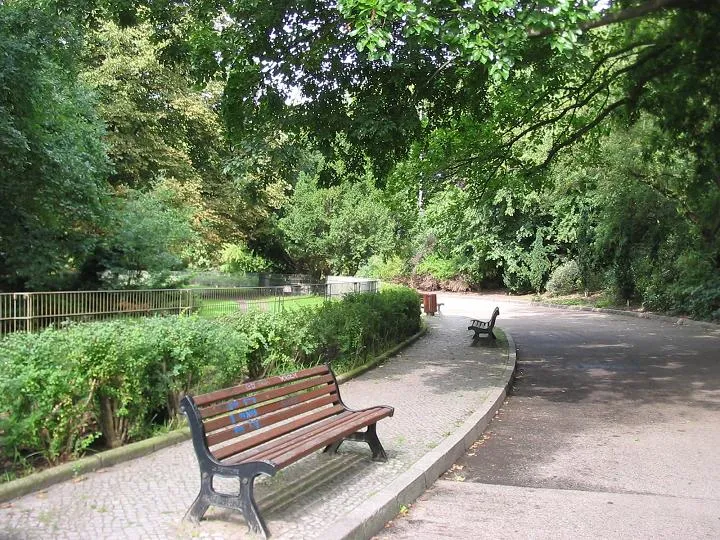
Berlin’s expansive central park, best explored through its quieter paths between the major landmarks.
The Berlin edit
Recently added recommendations, not a claim that every place just opened. Explore the latest additions to our address book and use their neighbourhoods and linked venues to build a fresh route.
Berlin’s expansive central park, best explored through its quieter paths between the major landmarks.
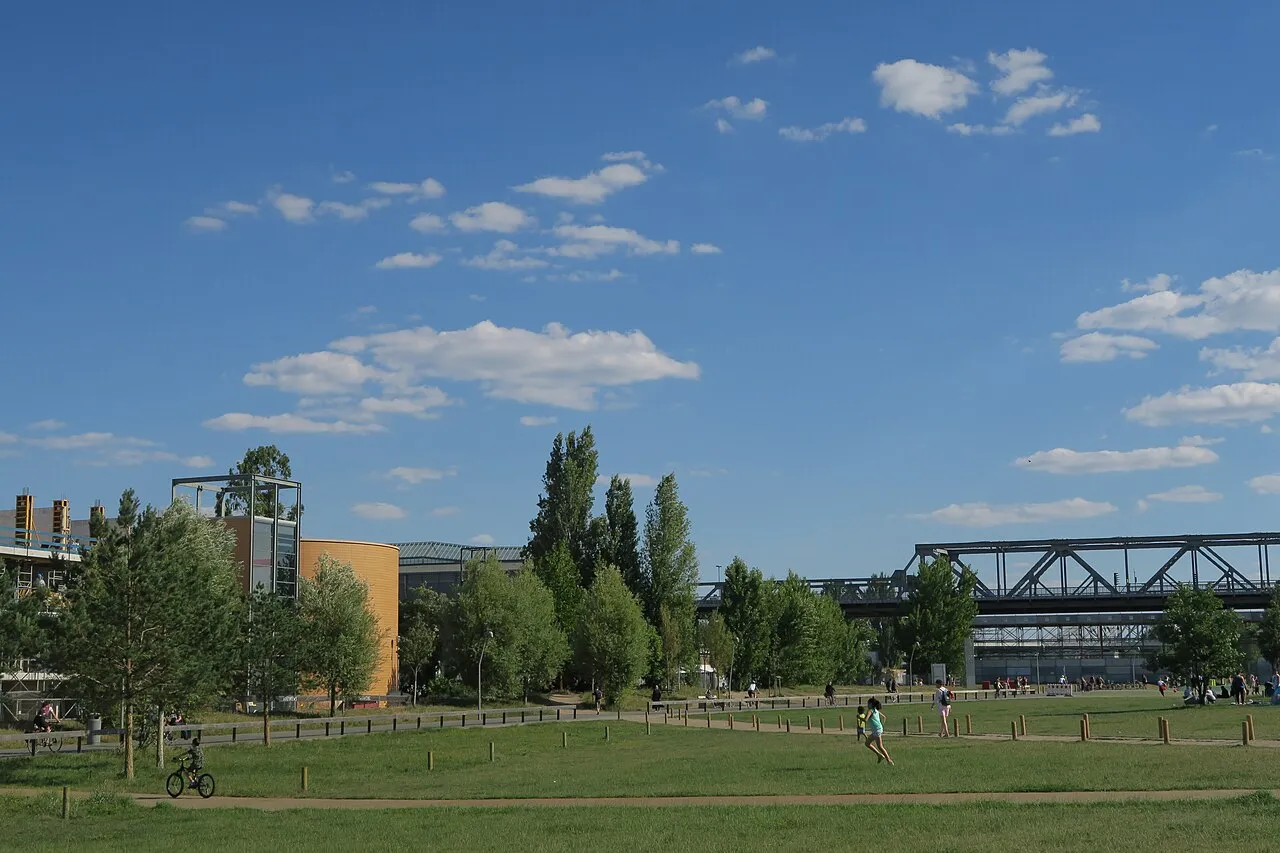
Open lawns and traces of railway history connect Kreuzberg and Schöneberg in this contemporary park.
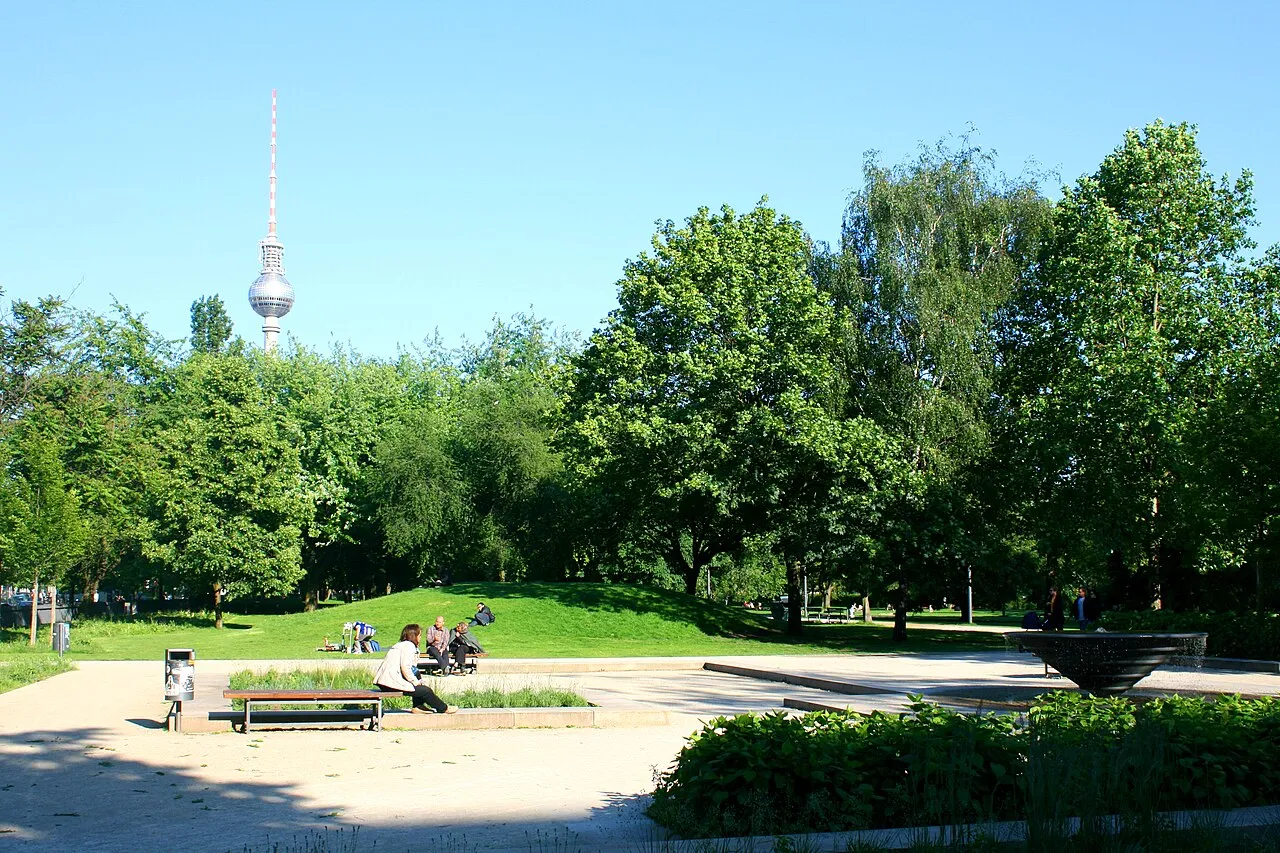
A compact riverside park in Mitte, well placed for a pause between museums and a walk along the Spree.
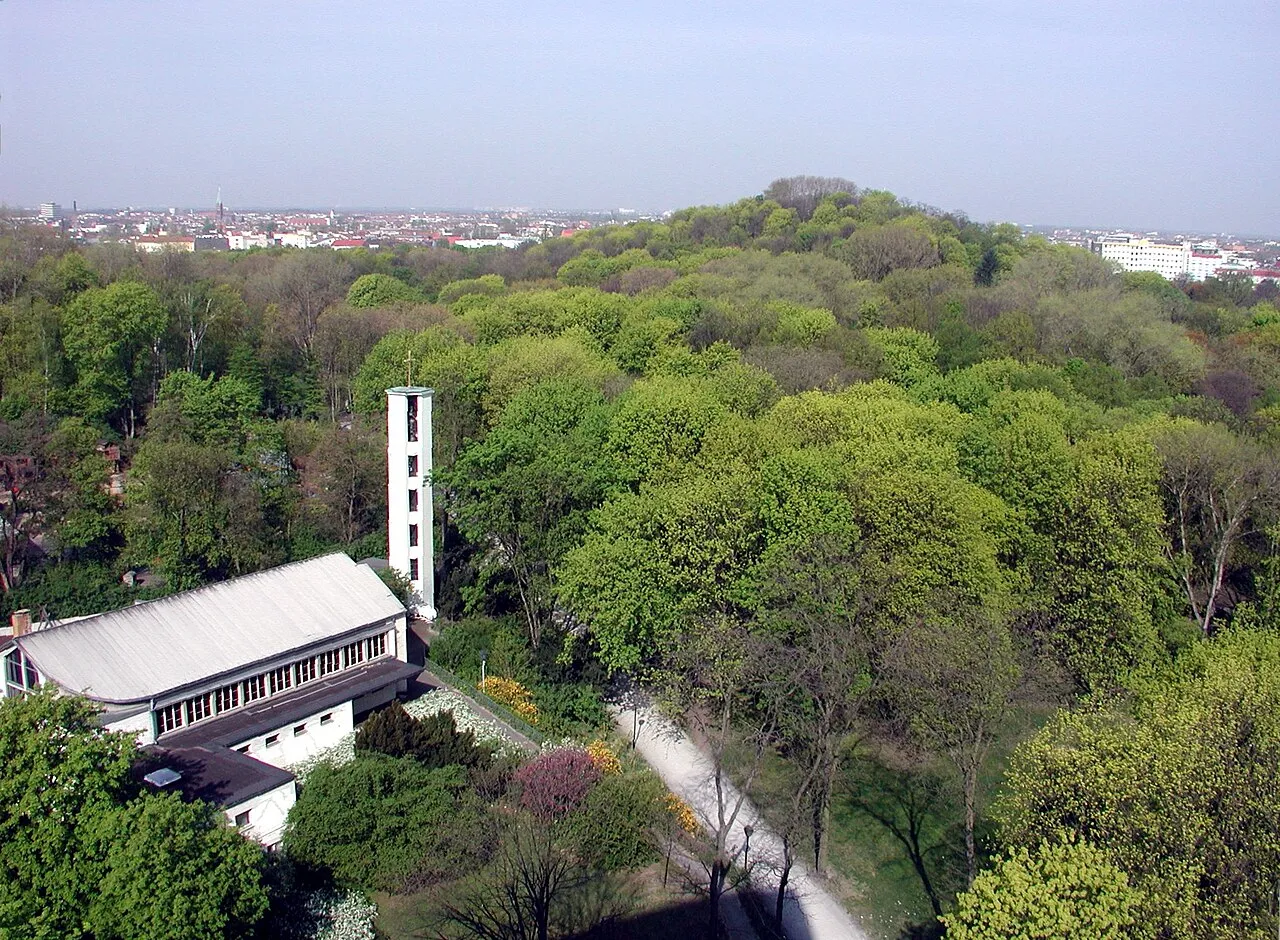
Wooded paths and elevated views give this Gesundbrunnen park a more rugged character than its central-city neighbours.
A broad Wedding park for longer walks through woodland, clearings and recreational grounds.
A walk around the lake brings water, trees and neighbourhood life together in Weißensee.
A large western Berlin park with woodland paths and room to turn a short stroll into a longer outing.
Lake-edge paths and sloping lawns create a quieter Charlottenburg outing away from the shopping streets.
Historic colonnades frame a green Schöneberg stop that pairs easily with the streets around it.
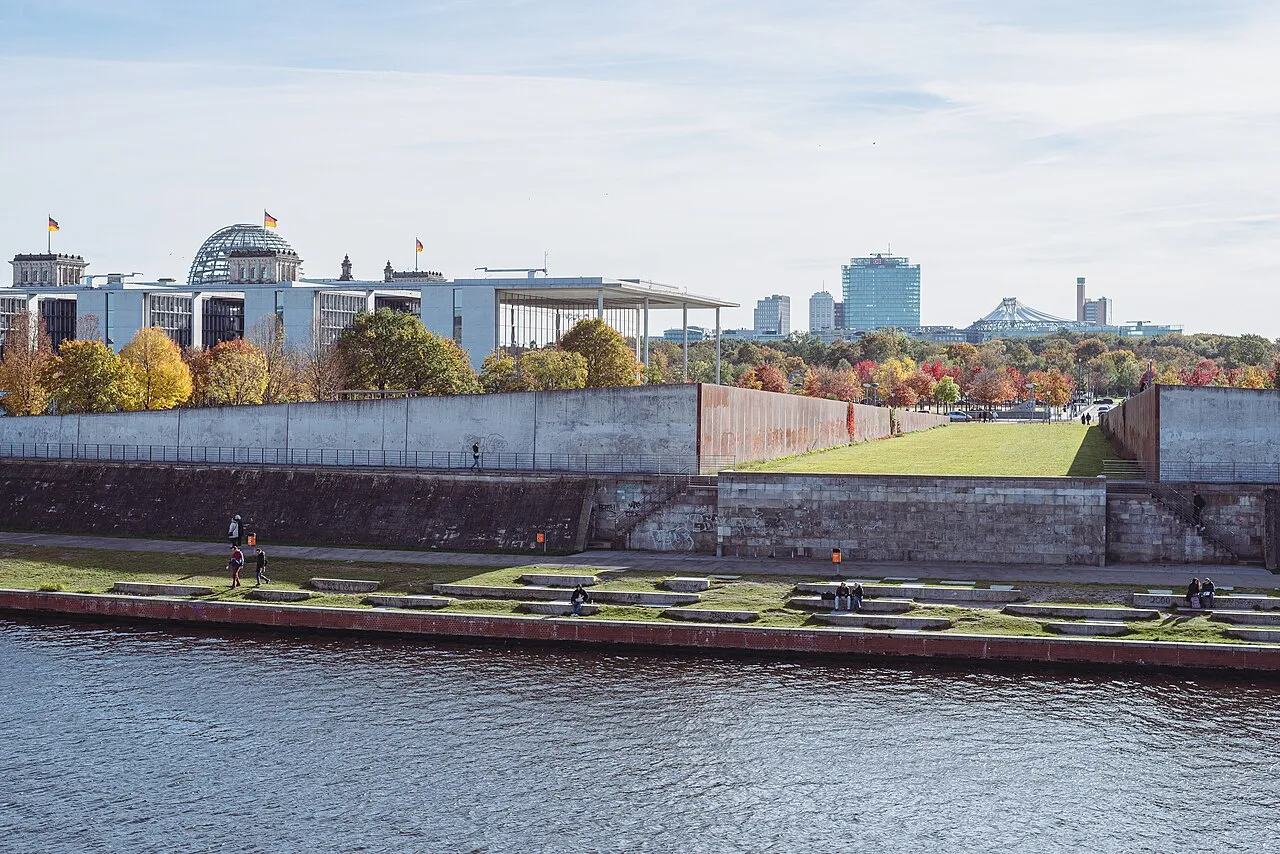
An open riverside landscape near the government district, with broad views and room to keep walking.
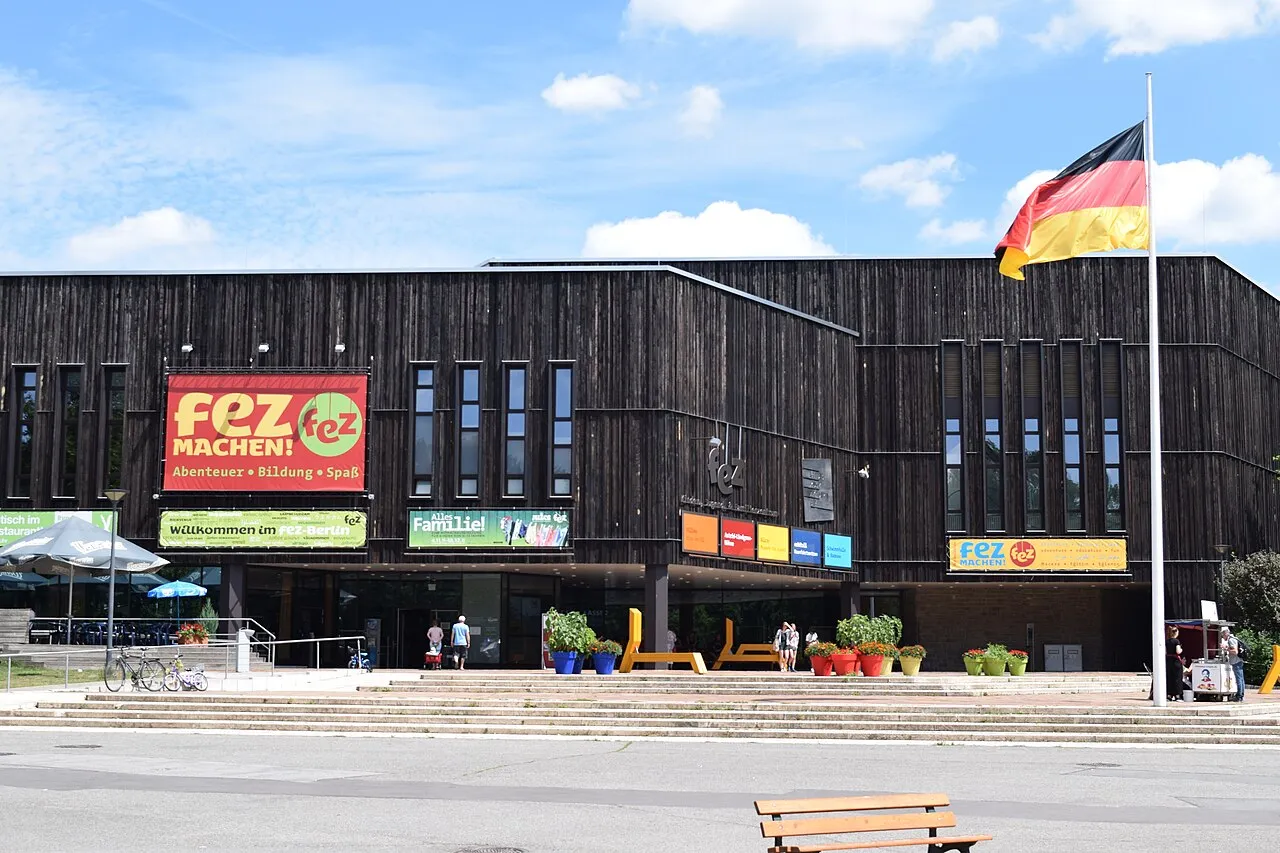
A family-oriented cultural and leisure centre in the Wuhlheide, with an extensive changing programme.
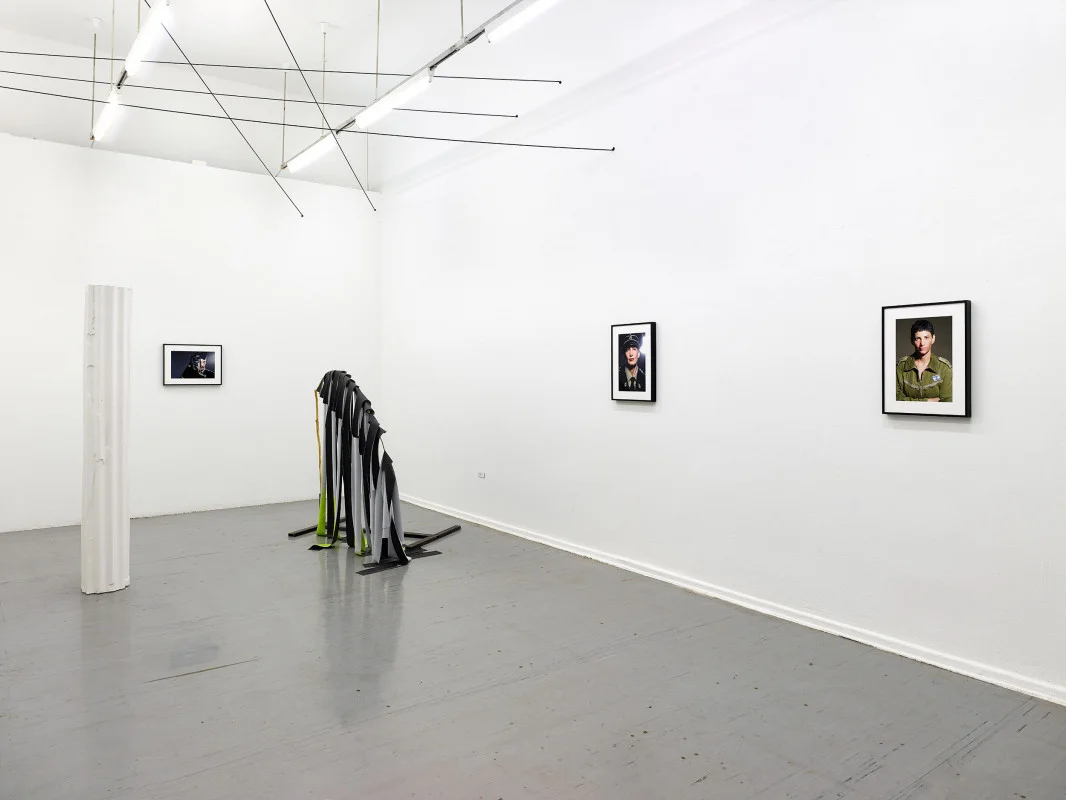
The female body is the subject, with women’s own perspectives shaping the view. Look for the differences between depicting a body and speaking through it.
An archaeology space on Petriplatz makes the layers beneath central Berlin part of the visit. Look for hands-on sessions and talks alongside the displays.
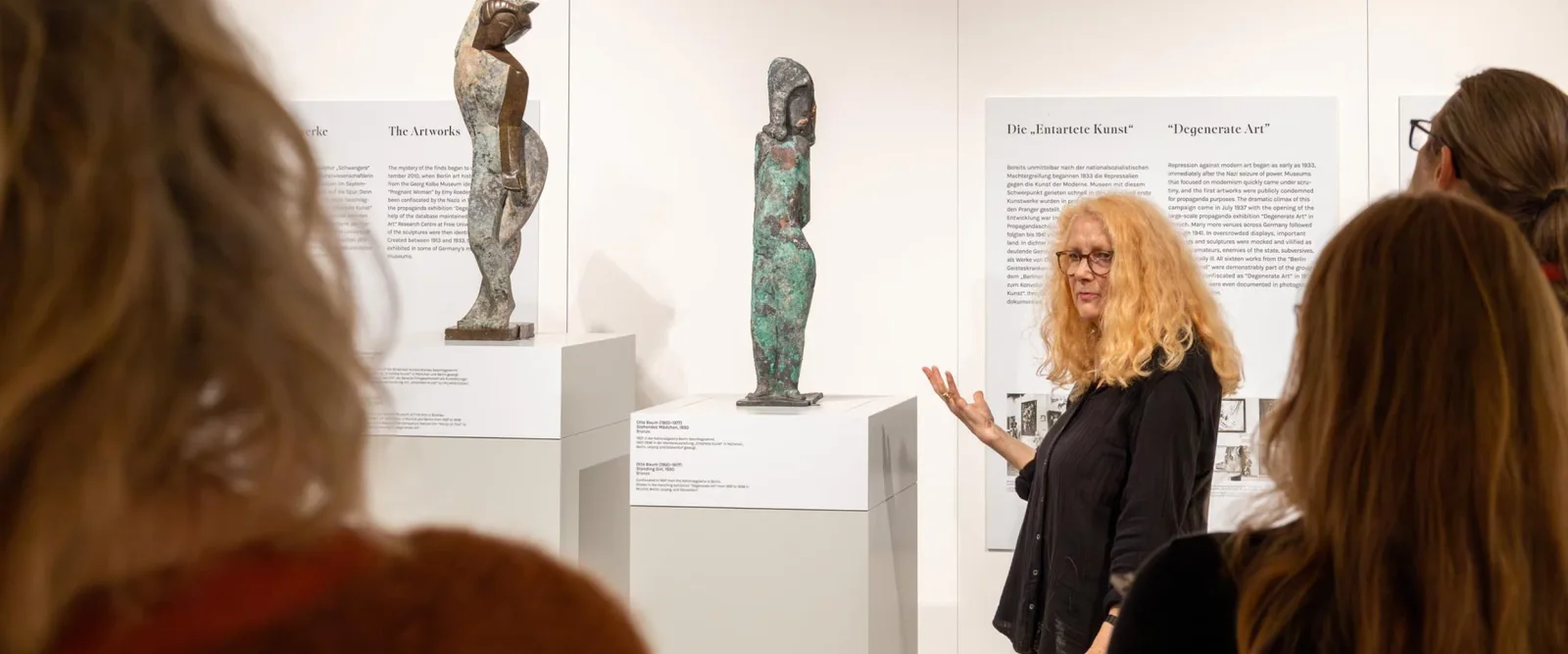
Photography becomes a way to question who constructs public memory. This exhibition makes space for contested histories rather than treating remembrance as settled ground.
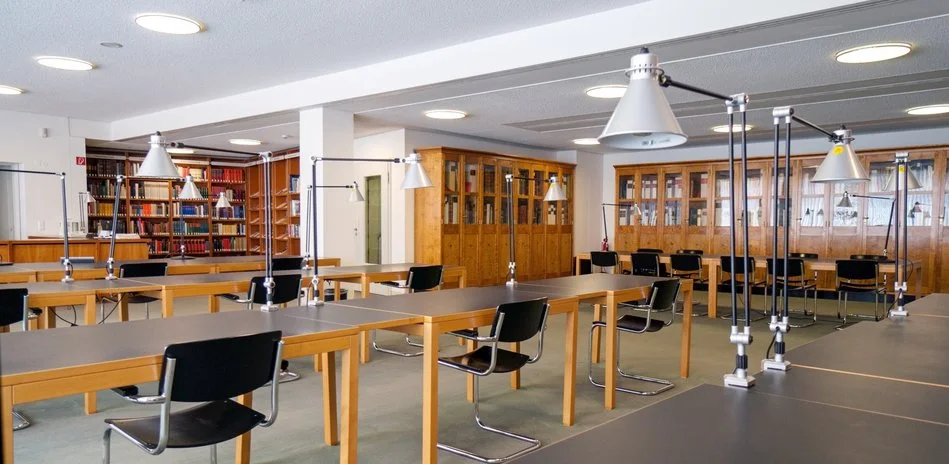
The Kunstbibliothek brings graphic design, photography and the applied arts into the Kulturforum. Choose its current exhibition before combining the visit with neighbouring collections.
Paul Cassirer helped bring Impressionism into Berlin’s cultural life. The exhibition follows the dealer’s influence through artworks and the relationships that brought them to an audience.
Contemporary art takes a social and political angle inside Bethanien. The municipal gallery’s group exhibitions make this a useful free stop around Mariannenplatz.
Tom Lehn’s landscapes occupy the foyer of Kulturhaus Karlshorst. It is a manageable art stop to combine with another reason to visit the neighbourhood.
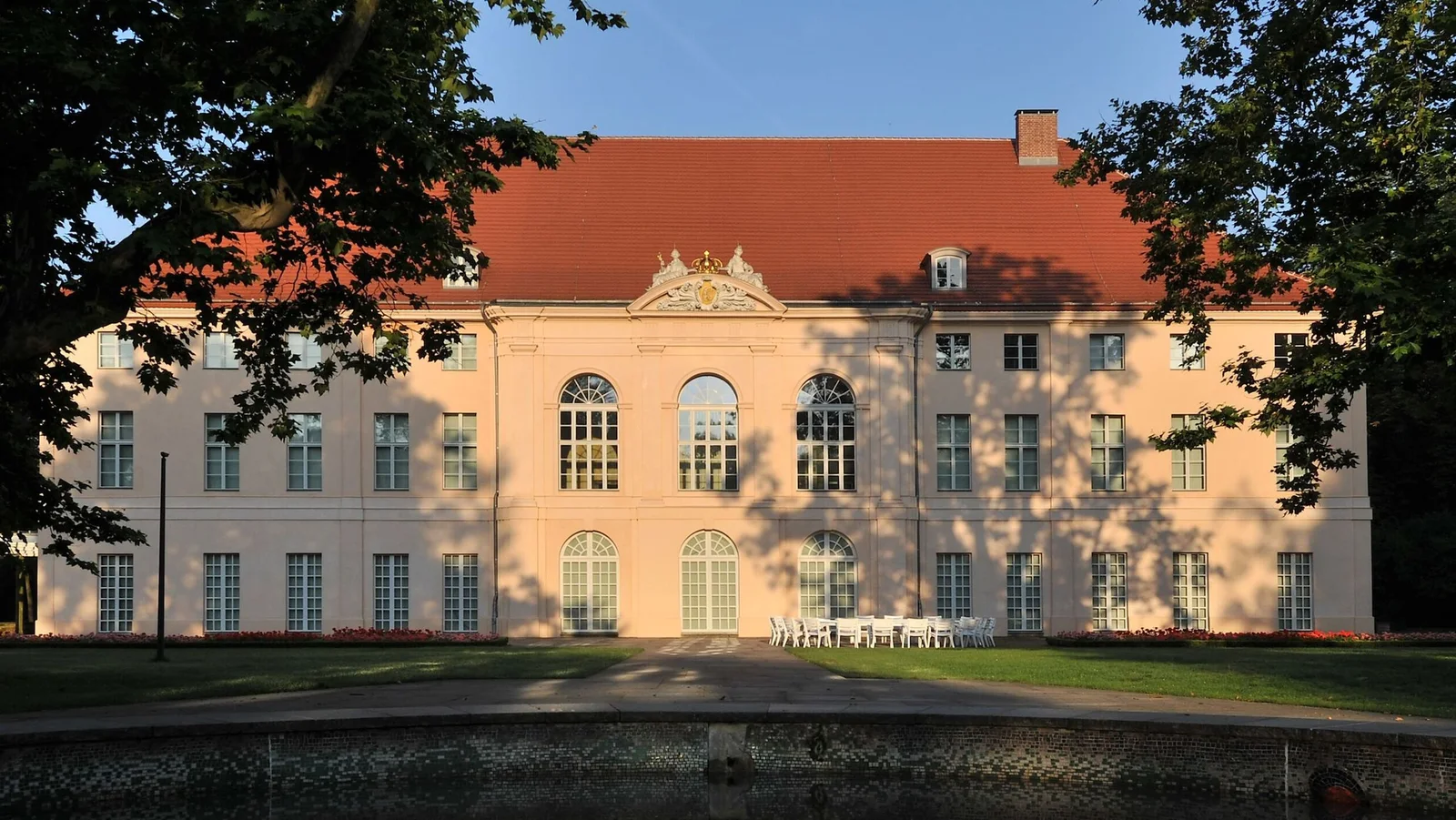
Schönhausen pairs a palace visit with the history of the GDR’s diplomatic stage. Read the room displays and allow time for the surrounding park rather than treating it as a quick photo stop.
Eight women sculptors associated with Leipzig bring questions of material and care into the museum. Compare the physical properties of the works with the kinds of attention they demand.
This neighbourhood cultural centre puts exhibitions and performances on Treskowallee. Its programme is a reason to spend time in Karlshorst beyond the usual central museum circuit.
Paper takes centre stage as an artistic material. The anniversary exhibition includes the 2026 Paper Art Award winners Dirk Krecker, Hideaki Yamanobe and Inka Bell.
Local history is the subject at the Prenzlauer Allee branch of Museum Pankow. The museum shares the Sebastian Haffner cultural and education complex with a library and adult education facilities.
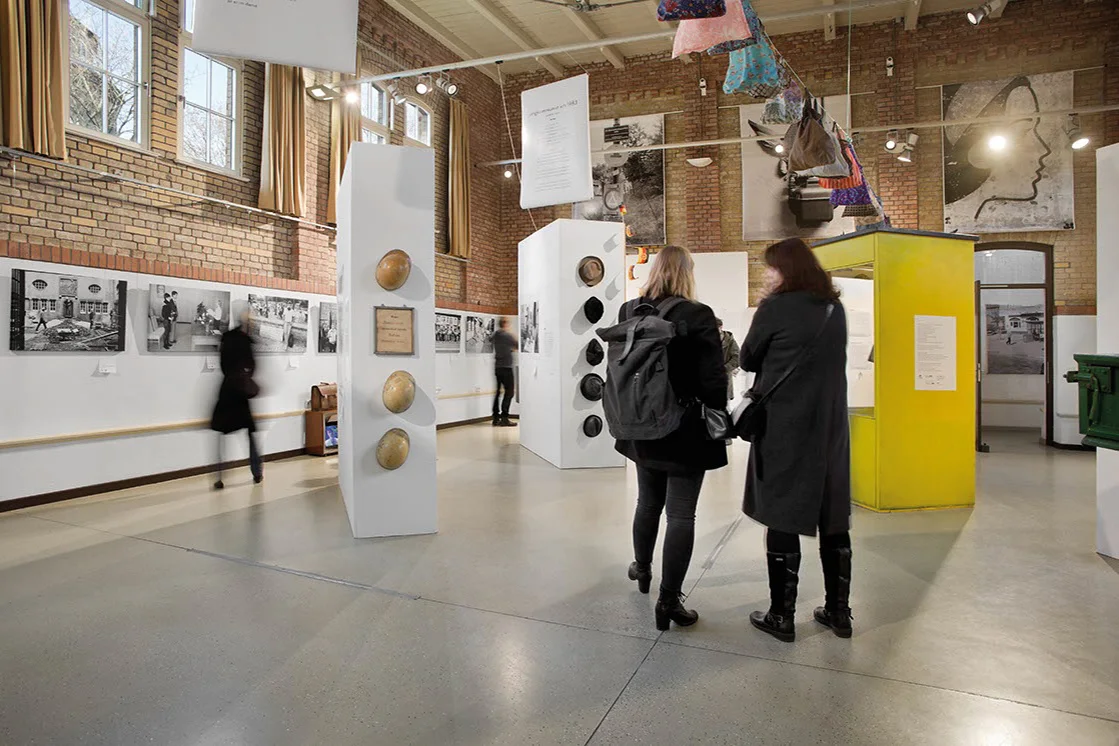
Berlin’s street names reveal how public memory changes with political power. This district-museum exhibition uses renaming as a starting point for looking again at familiar addresses.
![Original editorial programme artwork for [ materialistin ]. Matter of Care, Care of Matter. This is not the organiser’s official poster.](/images/catalogue-expansion-2026-09-24/berlin-programme-materialistin-matter-of-care-care-of-matter-f5a022.webp)